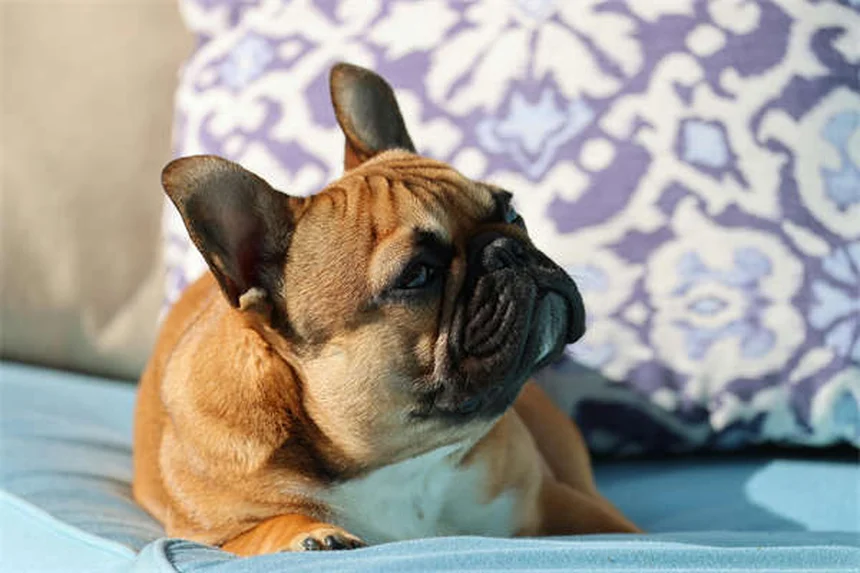

Why Do Dogs Twitch in Their Sleep? 5 Fascinating Facts
Feb 07,2026
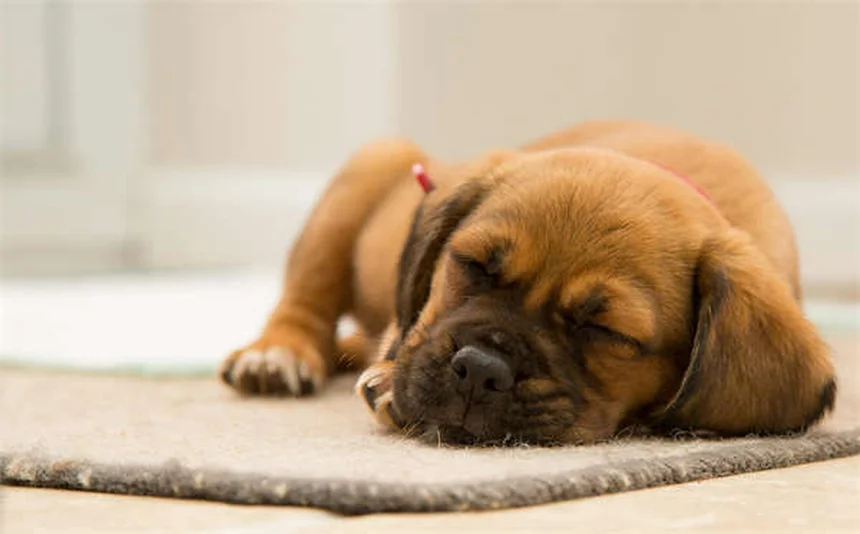
Why do dogs twitch in their sleep? The answer is simple: they're dreaming! Just like humans, dogs experience REM sleep where their brains process the day's adventures through dreams. Those adorable little leg kicks and muffled barks you see? That's your pup chasing squirrels or playing fetch in dreamland. Smaller dogs dream more frequently (every 10 minutes!) while larger breeds have longer but less frequent dreams. While most sleep twitching is completely normal, we'll help you understand when those cute twitches might signal something more serious. Let's dive into what's really happening when your dog starts paddling those paws in their sleep!
E.g. :Pet Disaster Preparedness: 7 Must-Know Tips for Emergency Evacuations
- 1、Why Do Dogs Twitch in Their Sleep?
- 2、Should You Wake a Twitching Dog?
- 3、When Should Twitching Worry You?
- 4、Twitching vs. Seizures: Spot the Difference
- 5、Creating the Perfect Sleep Environment
- 6、Funny Sleep Twitch Stories
- 7、The Science Behind Canine Sleep Patterns
- 8、Breed-Specific Sleeping Behaviors
- 9、The Human-Dog Sleep Connection
- 10、Enhancing Your Dog's Sleep Quality
- 11、Dream Interpretation for Dogs
- 12、FAQs
Why Do Dogs Twitch in Their Sleep?
It's All About Those Doggy Dreams
Ever watched your pup's paws paddle like they're chasing squirrels in their sleep? Those adorable twitches happen during REM sleep - the same dream stage we humans experience. My golden retriever Max does this hilarious little "bark-whimper" combo that makes me wonder if he's dreaming about stealing steaks from the counter.
Here's the fascinating science behind it: dogs process their daily adventures through dreams, just like we do. Smaller breeds like Chihuahuas dream every 10 minutes for about 30 seconds, while big guys like Great Danes dream every 45 minutes for 4 minutes. Check out this comparison:
| Dog Size | Dream Frequency | Dream Duration |
|---|---|---|
| Small (under 20 lbs) | Every 10 minutes | 30 seconds |
| Medium (20-50 lbs) | Every 20 minutes | 1 minute |
| Large (50+ lbs) | Every 45 minutes | 4 minutes |
The Brain's "Off Switch" Explained
Why don't dogs actually run when they dream about chasing balls? Their brains have this amazing safety feature called the pons that temporarily paralyzes major muscles during REM sleep. Puppies and senior dogs twitch more because their pons isn't fully developed or is weakening with age.
Did you know sleeping position affects twitching too? Dogs stretched out like pancakes twitch more than those curled up in cinnamon roll position. My neighbor's bulldog snores like a chainsaw when he's on his back - complete with full-body twitches that shake the whole dog bed!
Should You Wake a Twitching Dog?
 Photos provided by pixabay
To Wake or Not to Wake?
Here's a golden rule: let sleeping dogs lie - literally! Unless your pup seems distressed (think whimpers turning into full-blown cries), it's best to let them ride out their dream adventures. I learned this the hard way when I tried to "rescue" Max from what turned out to be a happy dream about belly rubs.
If you must wake them, try calling their name softly instead of touching. A startled dog might nip without meaning to. When my sister's terrier was having a nightmare, we just said "Who's a good boy?" in a happy voice until he woke up wagging.
Reading Your Dog's Sleep Signals
Normal sleep twitches look like gentle paddling or ear flicks. You might hear cute little "boofs" or see their whiskers twitch. Their breathing stays regular, and they'll wake up easily if you call them. My favorite is when Max's tail starts thumping in his sleep - I like to imagine he's dreaming about our walks in the park.
When Should Twitching Worry You?
Red Flags in Doggy Dreams
Most twitching is perfectly normal, but here's when you should call your vet:
- Full-body stiffness instead of relaxed muscles
- Eyes wide open but not responding
- Loss of bladder/bowel control
- Foaming at the mouth
- Violent shaking that lasts more than a minute
Remember that time you thought your dog was having a seizure but it was just an epic dream about squirrels? Yeah, me too. But serious symptoms are hard to miss - they're more dramatic than your dog's reaction to the vacuum cleaner.
 Photos provided by pixabay
To Wake or Not to Wake?
Sometimes twitching signals health issues like low blood sugar (common in tiny breeds), poisoning (keep those chocolate bars away!), or neurological problems. My vet friend told me about a dachshund whose "twitches" turned out to be mini-seizures from eating sugar-free gum with xylitol.
Twitching vs. Seizures: Spot the Difference
The Telltale Signs
How can you tell if it's just dreams or something serious? Here's a quick guide:
Normal Twitching: Relaxed body, responds when you call, might make sleepy noises
Seizure: Stiff muscles, uncontrolled movements, no response to your voice
Ever seen a dog sleep-bark at an imaginary mailman? That's normal. But if they're stiff as a board and unresponsive, that's emergency vet time. Pro tip: Take a video to show your vet - it helps more than trying to describe the episode.
Post-Episode Behavior Matters Too
After normal twitching, dogs wake up ready to play. After seizures, they often seem confused or exhausted - like they've run a marathon instead of napping. My friend's epileptic lab would always drink a whole bowl of water and sleep for hours after an episode.
Creating the Perfect Sleep Environment
 Photos provided by pixabay
To Wake or Not to Wake?
Want to help your pup sleep soundly? Try these tips:
- Comfy orthopedic beds for older dogs (memory foam works wonders)
- White noise machines to drown out scary sounds
- Keeping a consistent bedtime routine
- Avoiding late-night zoomies by scheduling playtime earlier
I put a heated pad under Max's bed last winter, and let me tell you - the happy twitches doubled! Though sometimes I think he's dreaming about the bed itself...
Foods That Affect Sleep Quality
What you feed affects how they dream! Foods with tryptophan (like turkey) can promote relaxation, while late-night carbs might lead to more active dreams. My vet recommends finishing meals 2-3 hours before bedtime to prevent digestive discomfort.
Funny Sleep Twitch Stories
When Dogs Out-Dream Us
At the dog park last week, we swapped hilarious sleep twitch stories. One woman's beagle howls in his sleep every full moon (no joke!). Another's pug does synchronized swimming motions. My personal favorite? The golden retriever who "digs" so hard in his sleep he moves across the room.
What's your dog's funniest sleep behavior? I bet it beats my cousin's bulldog who snores louder than her husband!
Understanding Your Unique Pup
Every dog has their own sleep style. Some are active dreamers, others sleep like logs. The key is knowing what's normal for YOUR furry friend. Keep a sleep journal if you're concerned - note twitch patterns, duration, and any changes. After tracking Max's habits for a month, I realized his most active dreams happen after dog park days!
The Science Behind Canine Sleep Patterns
How Dog Brains Process Dreams
You know how you sometimes wake up remembering vivid dreams? Dogs experience similar brain activity during REM sleep, with their hippocampus replaying daily events. Neuroscientists at MIT discovered that when dogs twitch, their brains are actually strengthening neural connections - essentially "practicing" skills while asleep!
Ever notice how working dogs like shepherds or police K9s twitch more intensely? That's because their jobs require more mental processing. My friend's border collie does these intricate paw movements in her sleep - we joke she's herding dream sheep!
The Evolutionary Purpose of Sleep Twitches
Why did this trait survive evolution? Twitching serves as built-in survival training for puppies. Wild canine pups who "practiced" hunting movements in sleep grew into more successful adults. Even today, wolf pups in Yellowstone National Park show more dramatic sleep movements than domestic dogs.
Here's a cool fact: Puppies spend about 50% of their sleep in REM (compared to 20% for adult dogs), which explains why they twitch constantly. It's like their brains are downloading life skills at maximum speed!
Breed-Specific Sleeping Behaviors
Sighthounds vs. Scent Hounds
Did you know breed types affect sleep movements? Greyhounds and other sighthounds often show running motions, while bloodhounds and beagles do more nose-twitching and sniffing sounds. My neighbor's basset hound actually snores through his floppy lips while his nose works overtime in dreams!
| Breed Group | Common Sleep Movements | Typical Sounds |
|---|---|---|
| Sighthounds | Running motions, leg kicks | Light panting |
| Scent Hounds | Nose twitches, head movements | Snuffling, sniffing |
| Herding Dogs | Paw paddling, tail twitches | Soft barks, whines |
Brachycephalic Breeds and Sleep
Pugs, bulldogs and other flat-faced dogs have unique sleep challenges. Their shortened airways mean they often twitch more violently as their bodies struggle to maintain oxygen levels during REM. I once dogsat a French bulldog who sounded like a tiny motorcycle revving in his sleep!
The Human-Dog Sleep Connection
Do We Sync With Our Pets' Sleep Cycles?
Here's something wild - studies show that dog owners often develop sleep patterns that match their pets! When your dog enters deep sleep, your body naturally produces more melatonin too. No wonder I always feel sleepy when Max curls up at my feet!
Ever wonder why dogs often choose to sleep near you? They're actually regulating their sleep cycles to match yours, a leftover behavior from when wolves needed to synchronize with the pack. My golden retriever positions himself so his breathing rhythm matches mine - it's the sweetest thing!
Can Dogs Have Sleep Disorders Like Humans?
You bet! Canine versions of insomnia, sleep apnea and even narcolepsy exist. Some breeds like Labrador retrievers are prone to REM behavior disorder where they physically act out dreams. I met a Lab who sleep-walked right into his food bowl - twice!
Enhancing Your Dog's Sleep Quality
The Temperature Sweet Spot
Did you know dogs sleep best at 68-72°F? Too cold and they'll twitch more trying to stay warm; too hot and they can't reach deep sleep. I installed a smart thermostat just for Max's room - now he sleeps like a log instead of constantly readjusting!
Here's a pro tip: Feel your dog's ears during sleep. If they're cold, add a blanket. Warm? They might need cooling. My sister's husky actually prefers sleeping on tile floors during summer - talk about smart temperature regulation!
The Power of Pre-Bedtime Routine
Consistency is key! Try this wind-down sequence:
1. Evening walk (helps process the day's stimuli)
2. Gentle brushing session (relaxing massage effect)
3. Quiet play with a favorite toy
4. Last bathroom break
5. Settling in their sleep space with a familiar command
After two weeks of this routine, Max's sleep twitches became more rhythmic and peaceful. Though he still occasionally dreams about that one time he found a pizza crust in the park!
Dream Interpretation for Dogs
Decoding Common Sleep Movements
While we can't know for sure, veterinarians have identified patterns:
- Chasing motions: Probably reliving playtime or hunting instincts
- Whining/soft barking: Likely interacting with dream characters
- Tail wagging: Definitely happy dreams!
- Digging motions: Possibly remembering burying treasures
My favorite theory? When dogs suddenly jerk awake looking confused, they probably just "fell" in a dream. Max once woke up like this and immediately checked under his tail as if making sure everything was still there!
Can Dogs Have Nightmares?
This one tugs at my heartstrings. Yes, dogs can experience bad dreams, especially rescue dogs with traumatic pasts. Signs include distressed whimpers, trembling, and trying to hide while asleep. My friend's adopted greyhound sometimes cries in his sleep - we play soft music to soothe him.
But here's the good news: Positive experiences can rewrite those neural pathways. After six months in a loving home, that same greyhound now mostly dreams about beach runs, complete with happy little leg kicks!
E.g. :Sleeping Dogs - Twitch
FAQs
Q: Is it normal for my dog to twitch and whimper in their sleep?
A: Absolutely! Those sleep twitches and cute little whimpers are completely normal dog behavior. What you're seeing is your pup's version of REM sleep where they process their daily experiences through dreams. My golden retriever Max does this hilarious combination of paddle-running and muffled barks that makes me think he's dreaming about our morning walks. Smaller breeds might twitch more frequently (every 10 minutes) while larger dogs have longer but less frequent dream sessions. Unless your dog seems distressed or the movements become violent, there's no need to worry. In fact, many veterinarians consider sleep twitching a sign of healthy brain activity!
Q: Should I wake my dog up if they're twitching violently in their sleep?
A: Here's the golden rule: let sleeping dogs lie! Unless your pup appears to be in genuine distress (think panicked whining or crying), it's best to let them ride out their dream adventures. I learned this lesson the hard way when I tried to "rescue" Max from what turned out to be an exciting dream about chasing tennis balls. If you must wake them, gently call their name instead of touching them - a startled dog might accidentally nip. When my sister's terrier was having what looked like a nightmare, we simply said "Who's a good boy?" in a cheerful voice until he woke up wagging his tail.
Q: How can I tell if my dog's twitching is actually a seizure?
A: Great question! Normal sleep twitches involve relaxed muscles, regular breathing, and your dog responding when you call their name. Seizures look completely different - you'll see stiff muscles, uncontrolled movements, and no response to your voice. One telltale sign? After normal twitching, dogs wake up ready to play. After seizures, they often seem confused or exhausted. My vet friend recommends taking a quick video if you're unsure - it's much easier to diagnose from footage than descriptions. Remember that time you thought your dog was having a seizure but it was just an epic dream about squirrels? Yeah, me too. But real seizure symptoms are unmistakable.
Q: Do puppies twitch more than adult dogs when sleeping?
A: You bet they do! Puppies experience way more sleep twitching because their brains are processing tons of new information, plus their "off switch" (called the pons) isn't fully developed yet. Think of it like their brain doing overtime homework while they sleep. My neighbor's lab puppy twitches so much in his sleep that he sometimes scoots himself across the floor! Senior dogs also tend to twitch more as their pons weakens with age. Adult dogs in their prime usually show the least amount of sleep movement. So if your puppy looks like they're running a marathon in their sleep, don't worry - it's completely normal and actually a sign of healthy development!
Q: Can I do anything to reduce my dog's excessive sleep twitching?
A: While you can't (and shouldn't try to) eliminate normal sleep twitching completely, there are ways to create a more relaxed sleep environment. We've found that orthopedic beds help older dogs, while white noise machines can drown out startling sounds that might trigger twitches. Keeping a consistent bedtime routine helps too - try to avoid late-night zoomies by scheduling playtime earlier. I added a heated pad under Max's bed last winter and noticed his twitches became more gentle and rhythmic. Also watch their diet - foods with tryptophan (like turkey) promote relaxation, while late-night meals might lead to more active dreams. If twitching seems excessive, a sleep journal can help you track patterns to discuss with your vet.