
Service Dogs vs Emotional Support Animals: Key Differences Explained
Feb 14,2026
What's the difference between service dogs and emotional support animals? The answer is simple: service dogs undergo rigorous training to perform specific tasks for people with disabilities, while emotional support animals provide comfort just by being present. I've worked with both types of assistance animals for years, and let me tell you - the distinction matters more than you might think!Service dogs can legally accompany their handlers anywhere the public is allowed, from restaurants to airplanes, because they're essential medical equipment. Emotional support animals, while valuable for mental health, don't have the same public access rights. We'll break down exactly what each type does, where they're allowed, and why understanding these differences protects people who truly need service dogs.
E.g. :In-Home Pet Boarding: The Stress-Free Alternative to Kennels
- 1、Service Dogs: The Ultimate Helpers
- 2、Emotional Support Animals: Comfort Companions
- 3、Therapy Dogs: The Happy Visitors
- 4、The Fake Service Dog Problem
- 5、Your Questions Answered
- 6、The Science Behind Service Dogs' Amazing Abilities
- 7、The Economics of Service Dogs
- 8、Service Dogs in the Workplace
- 9、Service Dogs and Technology
- 10、FAQs
Service Dogs: The Ultimate Helpers
What Exactly Do Service Dogs Do?
Let me tell you something - service dogs are rockstars in the canine world! These amazing pups go through intense training to help people with disabilities in ways that'll blow your mind. Did you know they can detect blood sugar changes before their human even feels symptoms? That's some superhero-level stuff right there!
Here's a quick breakdown of common tasks service dogs perform:
| Disability Type | Service Dog Tasks |
|---|---|
| Mobility Issues | Opening doors, picking up dropped items, providing balance support |
| Diabetes | Alerting to blood sugar changes, fetching medication |
| PTSD | Interrupting panic attacks, creating personal space |
The Incredible Training Journey
You might wonder - how do regular puppies become these incredible helpers? Well, let me walk you through it. Training starts when they're just tiny balls of fluff at 8 weeks old. Imagine trying to teach a toddler calculus - that's kind of what early training looks like!
But here's the kicker - it's not just about learning commands. These dogs need to master public behavior that would make Emily Post proud. They must:
- Ignore delicious food on the ground (tougher than it sounds!)
- Stay calm in chaotic environments
- Focus solely on their handler amidst distractions
The training lasts over two years before they're ready for their important work. That's longer than some college degrees!
Emotional Support Animals: Comfort Companions
 Photos provided by pixabay
ESAs vs Service Dogs - What's the Difference?
Now here's where people often get confused. While service dogs perform specific tasks, emotional support animals (ESAs) provide comfort just by being their adorable selves. Think of them like living, breathing security blankets!
But wait - does this mean any pet can be an ESA? Not exactly. There are some important rules:
- You need a letter from a licensed mental health professional
- The animal must be well-behaved (no barking parrots in the apartment!)
- They don't have public access rights like service dogs
Where ESAs Can and Can't Go
Here's something that surprises many people - your ESA can't go everywhere with you. I know, bummer right? But there's good reason for this. While they provide wonderful emotional support, they haven't gone through the rigorous training service dogs have.
So where can they go? Basically two places:
- No-pet housing (with proper documentation)
- Airplane cabins (though some airlines are changing policies)
That grocery store run? Nope. Your favorite restaurant? Sorry, no dice. But hey, they make amazing home companions!
Therapy Dogs: The Happy Visitors
What Makes a Great Therapy Dog?
Picture this: a fluffy golden retriever calmly sitting while children read to it in a library. That's a therapy dog in action! These special pups bring joy wherever they go, but they're not service dogs or ESAs.
What's their secret? Three key qualities:
- Rock-solid temperament (no grumpy pups allowed!)
- Love for meeting new people
- Ability to stay calm in unusual situations
Most therapy dogs need to pass tests like the AKC Canine Good Citizen test. It's like their version of a driver's license!
 Photos provided by pixabay
ESAs vs Service Dogs - What's the Difference?
These happy helpers volunteer in all sorts of places:
- Hospitals (bringing smiles to patients)
- Schools (helping nervous readers gain confidence)
- Disaster areas (providing comfort after tragedies)
But here's an important note - they're volunteers, not employees. They go home to be regular pets after their visits!
The Fake Service Dog Problem
Why Fake Service Dogs Cause Real Problems
Okay, let's talk about something serious. Some people try to pass off untrained pets as service dogs. Why is this bad? Imagine bringing your untrained puppy to a fancy restaurant - chaos would ensue!
Fake service dogs create three big issues:
- They make businesses suspicious of real service dogs
- They can behave badly in public (barking, accidents, etc.)
- They make life harder for people with legitimate service dogs
How to Spot a Real Service Dog
Here's a quick tip - real service dogs are always working, even when they look relaxed. They're focused on their handler, not begging for pets or treats. If you see a "service dog" sniffing around or barking, chances are it's not the real deal.
Remember - it's okay to admire service dogs from afar, but never distract them while they're working. That dog might be keeping someone safe!
Your Questions Answered
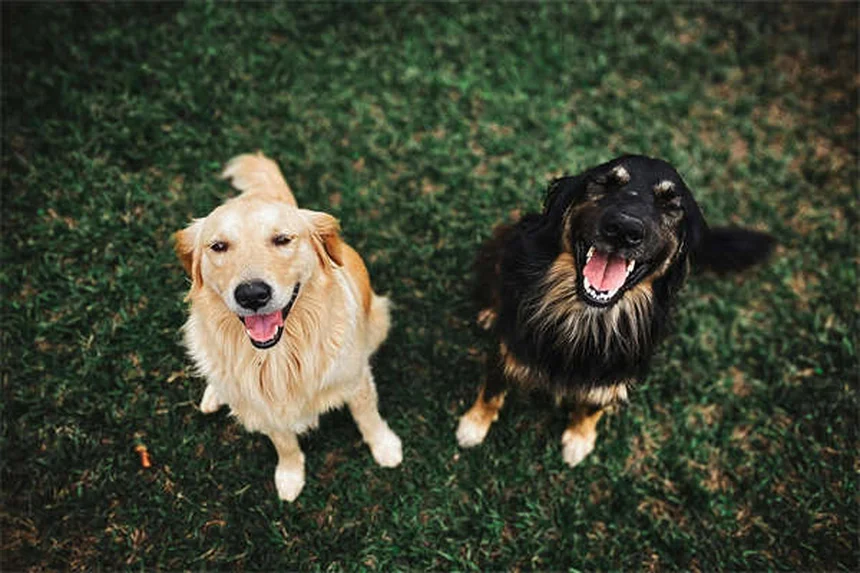 Photos provided by pixabay
ESAs vs Service Dogs - What's the Difference?
This is a great question! While many breeds can become service dogs, not every individual dog has what it takes. It's like asking if every person can become an Olympic athlete - the potential might be there, but it takes special qualities.
The best service dogs typically have:
- Calm, steady temperaments
- High intelligence and trainability
- Good health and physical structure
Why Can't I Pet a Service Dog?
I know it's tempting - that dog looks so sweet! But here's the thing: when you distract a service dog, you could literally be putting someone's life at risk. That dog might miss an important alert about their handler's medical condition.
Instead of petting, try giving the handler a smile or compliment. Trust me, they'll appreciate your understanding!
The Science Behind Service Dogs' Amazing Abilities
How Do Dogs Detect Medical Issues?
You might be wondering - how can a dog possibly know when someone's blood sugar is dropping? It's not like they carry tiny glucose monitors in their paws! The answer lies in their incredible noses. A dog's sense of smell is about 10,000 to 100,000 times more acute than ours.
When your body chemistry changes, it releases different odors that we can't detect. But to a service dog? It's like someone turned on a neon sign saying "Alert! Alert!" They can smell:
- Chemical changes in sweat during low blood sugar
- Subtle scent shifts before seizures occur
- Hormonal changes signaling panic attacks
The Bond Between Handler and Service Dog
Here's something truly special - the connection between a service dog and their person goes way beyond typical pet ownership. These dogs learn to read their handler's micro-expressions and subtle body language cues that even family members might miss.
I once met a veteran with PTSD whose service dog would:
- Notice when his breathing patterns changed
- Gently lean against him to provide grounding pressure
- Guide him to a quiet space before others noticed distress
That's not just training - that's deep emotional intelligence on both ends of the leash!
The Economics of Service Dogs
Why Are Service Dogs So Expensive?
Let's talk dollars and cents - training a service dog costs between $15,000 to $30,000. That's more than some cars! But when you break it down, every penny makes sense:
| Expense Category | Average Cost |
|---|---|
| Initial Puppy Selection | $2,000-$5,000 |
| Two Years of Training | $10,000-$20,000 |
| Specialized Equipment | $500-$2,000 |
And here's something most people don't consider - about 60% of dogs don't make it through the full training program. That's like paying college tuition for three students knowing only one will graduate!
Creative Ways Organizations Fund Service Dogs
Now you're probably thinking - how can anyone afford this? Many organizations get creative with fundraising. One group I know trains shelter dogs, solving two problems at once! Others offer:
- "Sponsor a Puppy" programs where donors follow their progress
- Corporate partnerships with vet clinics
- Community puppy-raising volunteer networks
It's heartwarming to see communities come together to make these life-changing partnerships possible.
Service Dogs in the Workplace
How Businesses Can Welcome Service Dogs
Imagine bringing your coworker to the office who happens to have four legs and a wagging tail! More workplaces are learning to accommodate service dogs, and it's easier than you might think. Simple steps like:
- Having a quiet rest area for the dog
- Providing water bowls near workstations
- Educating staff about proper etiquette
Can make all the difference. One tech company even created a "puppy playdate" program where employees' pets can visit - keeping the service dog's work environment distraction-free!
The Unexpected Benefits for Everyone
Here's a fun twist - workplaces with service dogs often report:
- Lower overall stress levels among employees
- Increased spontaneous social interactions
- More positive office culture
A handler told me her colleagues now take more walking breaks to accompany her and the dog - boosting everyone's health! Talk about a win-win.
Service Dogs and Technology
Smart Gadgets for Super Dogs
You'd be amazed how tech is enhancing service dogs' capabilities! We're seeing:
- GPS tracking vests for dogs assisting with dementia patients
- Special harnesses that can call 911 in emergencies
- Vibration collars for silent alerts in public spaces
One inventor created a tail-wagging translator app that helps handlers understand their dog's stress levels. Because sometimes that happy wag means "I'm working great!" and other times it's "I need a break!"
Can Robots Replace Service Dogs?
This is the million-dollar question - with all our advanced technology, why do we still use living, breathing dogs? The answer is simple: connection. No machine can replicate:
- The unconditional love that motivates a dog's work
- The intuitive problem-solving dogs demonstrate
- The emotional comfort of a warm, furry companion
As one handler perfectly put it: "My service dog doesn't just perform tasks - she gives me the confidence to live fully." Try getting that from a Roomba!
E.g. :Service Animal or Emotional Support Animal: What's the Difference ...
FAQs
Q: Can any dog become a service dog?
A: While many breeds can potentially become service dogs, not every individual dog has what it takes. It's like asking if every person can become an Olympic athlete - the potential might be there, but it requires special qualities. The best service dogs typically have calm, steady temperaments, high intelligence and trainability, plus good health and physical structure. The training process takes over two years and includes mastering public behavior that would make Emily Post proud. These amazing pups must ignore delicious food on the ground, stay calm in chaotic environments, and focus solely on their handler amidst distractions.
Q: Why can't I pet a service dog when I see one working?
A: I know it's tempting - that dog looks so sweet! But here's the thing: when you distract a service dog, you could literally be putting someone's life at risk. That dog might miss an important alert about their handler's medical condition. Service dogs in public are on the job, whether they're detecting blood sugar changes, preventing panic attacks, or helping with mobility issues. Instead of petting, try giving the handler a smile or compliment. Trust me, they'll appreciate your understanding! Remember, real service dogs are always working, even when they look relaxed - they're focused on their handler, not begging for pets or treats.
Q: What rights do emotional support animals have compared to service dogs?
A: Emotional support animals (ESAs) have significantly fewer legal rights than service dogs. While service dogs can go anywhere the public is allowed, ESAs are only guaranteed access in two situations: no-pet housing (with proper documentation) and airplane cabins (though some airlines are changing policies). That grocery store run? Nope. Your favorite restaurant? Sorry, no dice. The key difference is that ESAs haven't gone through the rigorous task-specific training that service dogs complete. They provide wonderful emotional support, but they're not considered medical equipment under the Americans with Disabilities Act.
Q: How can you spot a fake service dog?
A: Fake service dogs create real problems, making businesses suspicious of legitimate teams. Here's how to spot the fakes: real service dogs are always under control, never barking, sniffing around, or begging. They're focused on their handler, not distracted by their surroundings. If you see a "service dog" behaving badly in public - having accidents, barking at people, or pulling on the leash - chances are it's not properly trained. These imposters make life harder for people with real service dogs, as they cause businesses to question all assistance animals. When in doubt, remember that staff can only ask two questions about a service dog: "Is this a service animal required because of a disability?" and "What work or task has the dog been trained to perform?"
Q: What's the difference between therapy dogs and service dogs?
A: Therapy dogs are often confused with service dogs, but they're completely different. While service dogs work for one specific person with a disability, therapy dogs are volunteer pets who visit facilities like hospitals, schools, and nursing homes to provide comfort to many people. They don't have special access rights - they're only allowed in places that specifically invite them. Picture a fluffy golden retriever calmly sitting while children read to it in a library - that's a therapy dog in action! These special pups need rock-solid temperaments (no grumpy pups allowed!), love meeting new people, and can stay calm in unusual situations. Most need to pass tests like the AKC Canine Good Citizen test - it's like their version of a driver's license!