
Do Dogs Dream? 5 Fascinating Facts About Canine Sleep
Mar 26,2026
Do dogs dream? The answer is yes, absolutely! Just like us humans, our furry friends experience vivid dreams during their REM sleep cycles. I've spent countless nights watching my golden retriever Max run in his sleep, and science confirms what every dog owner suspects - dogs definitely dream about their daily adventures.Here's the deal: research shows that dogs have sleep patterns remarkably similar to ours, complete with that dream-heavy REM stage. While we can't ask them about their dreams (how cool would that be?), studies on other animals prove dreaming isn't just a human thing. Rats dream about mazes, birds about singing - so it makes perfect sense that your pup dreams about chasing squirrels or playing fetch!In this article, we'll explore exactly how to tell when your dog is dreaming, what their little whimpers and twitches really mean, and how to create the perfect environment for sweet canine dreams. Trust me, after reading this, you'll never look at your sleeping dog the same way again!
E.g. :Cyproheptadine for Pets: What Dog & Cat Owners Must Know
- 1、Do Dogs Dream? Let's Find Out!
- 2、Spotting Dream Time: Your Dog's Sleep Signals
- 3、Decoding the Canine Dreamscape
- 4、Creating the Perfect Dream Environment
- 5、When Dreams Become Reality
- 6、Dreaming Through the Ages
- 7、Enhancing Your Dog's Dream Life
- 8、Dream Interpretation: What Your Dog's Sleep Behaviors Mean
- 9、The Emotional Lives of Sleeping Dogs
- 10、Fun Facts About Canine Dreams
- 11、Enhancing Your Dog's Sleep Experience
- 12、When Dreams Get Weird
- 13、Dream-Inspired Training Techniques
- 14、The Future of Canine Dream Research
- 15、FAQs
Do Dogs Dream? Let's Find Out!
The Science Behind Canine Dreams
Ever watched your pup twitch and whimper in their sleep? I know I have! Dogs absolutely dream, and here's why that makes perfect sense. Our furry friends experience sleep cycles remarkably similar to ours - including that magical REM (rapid eye movement) phase where the most vivid dreams happen.
Here's a cool fact: researchers studying rats discovered they dream about mazes they've run through earlier. Zebra finches? They practice singing in their sleep! Now, while we don't have doggy dream journals (how hilarious would that be?), the evidence strongly suggests our canine companions experience dreams too. Their brain activity during REM sleep mirrors ours when we're dreaming - case closed!
How Dog Sleep Compares to Human Sleep
Let's break this down with a simple comparison:
| Sleep Feature | Dogs | Humans |
|---|---|---|
| Sleep Cycle Length | ~20 minutes | ~90 minutes |
| REM Sleep Duration | ~6 minutes per cycle | ~20 minutes per cycle |
| Dreaming Occurs In | REM Stage | REM Stage |
See the similarities? While our cycles are longer, the basic structure is identical. That's why when you see your dog's paws moving like they're running in their sleep, they're probably chasing dream squirrels!
Spotting Dream Time: Your Dog's Sleep Signals
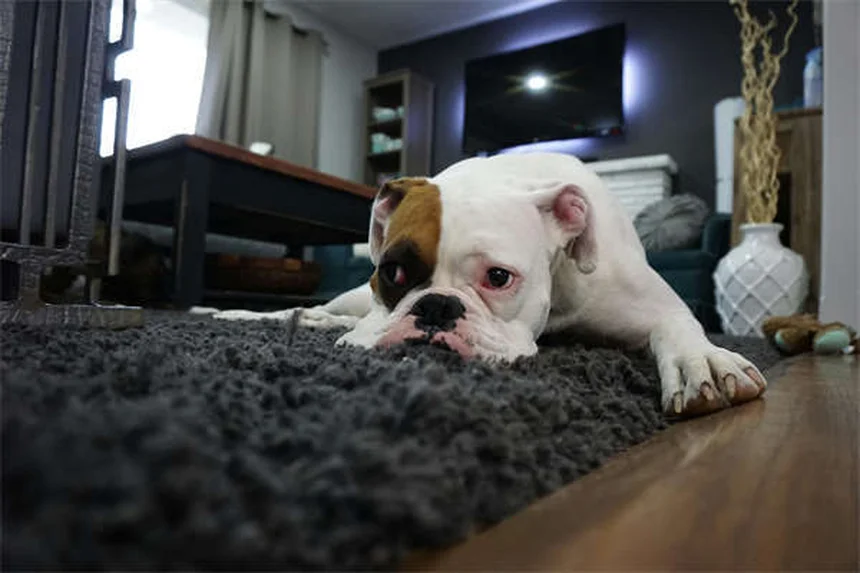 Photos provided by pixabay
The Telltale Signs of Doggy Dreams
Next time your pup dozes off, watch for these classic dreaming indicators:
- Rapid eye movements behind closed eyelids (hence the name REM!)
- Irregular, shallow breathing patterns
- Twitching muscles or leg movements
- Soft barks, whines, or other vocalizations
Here's a funny thought: ever wonder why dogs seem to dream more obviously than humans? It's because their sleep inhibition mechanism isn't as strong as ours. While we're mostly paralyzed during REM sleep (thank goodness!), dogs show more physical signs of their dream adventures.
Should You Wake a Dreaming Dog?
This is important, folks! You might feel tempted to "rescue" your dog from what looks like a nightmare, but hold that thought. Most sleep experts agree it's best to let sleeping dogs lie - literally!
Here's why: First, you can't always tell if it's actually a bad dream. Those little whimpers might just mean they're dreaming about that amazing steak you gave them last week! Second, sleep is crucial for memory consolidation in dogs just like in humans. Interrupting their dreams could affect their ability to learn and process information.
Decoding the Canine Dreamscape
What's Playing in Your Dog's Mind Theater?
While we can't peek directly into their dreams (yet!), science gives us solid clues. Research shows animals typically dream about their daily activities. Remember those maze-running rats? Dogs likely follow the same pattern.
Picture this: Your dog spent the afternoon playing fetch at the park. That night? They're probably reliving those glorious catches in their sleep! Chasing squirrels, greeting favorite humans, even enjoying treats - all prime dream material. Their dreams are like highlight reels of their waking hours.
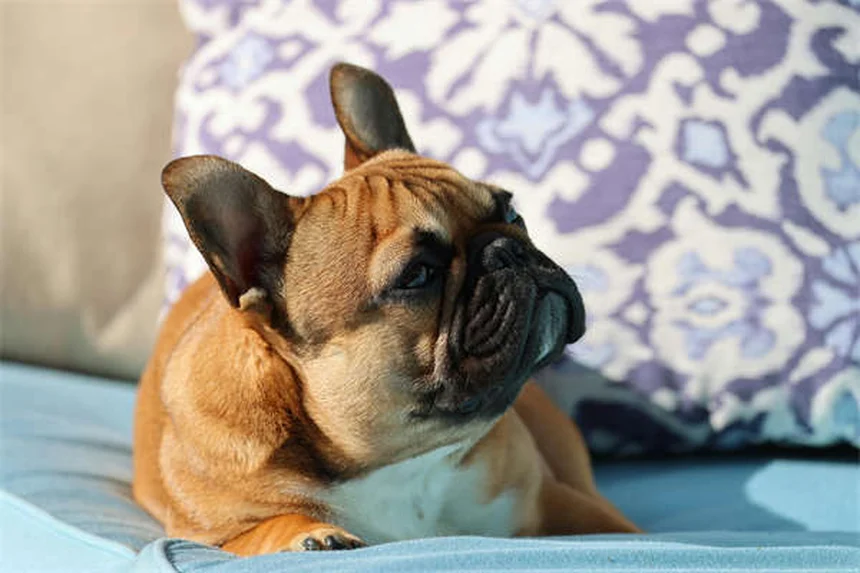 Photos provided by pixabay
The Telltale Signs of Doggy Dreams
Now for the less fun part. Unfortunately, yes - dogs can experience bad dreams too. But here's a question: How can you tell if it's a nightmare versus a regular dream?
The answer isn't always clear. While distressed vocalizations and more intense movements might suggest a nightmare, sometimes it's hard to distinguish. The key is observing their overall behavior. If they wake up anxious or fearful, they might have had an unpleasant dream. Otherwise, those sleep barks might just mean they're telling off the mailman in their dreams!
Creating the Perfect Dream Environment
Setting the Stage for Sweet Dreams
Want to help your dog have pleasant dreams? It's easier than you think! Quality daytime experiences lead to happy nighttime dreams. Here's what works:
- Regular exercise and playtime
- Positive social interactions
- Mental stimulation through training or puzzle toys
- A consistent, stress-free routine
Think of it this way: you're programming their dream content! More belly rubs and fetch sessions mean better dream material. Fewer vet visits and scary thunderstorms? Even better!
The Ideal Sleep Setup
Your dog's sleeping area makes a big difference too. Here's what I recommend:
1. A comfortable, orthopedic bed for older dogs
2. A quiet, draft-free location
3. Familiar blankets with your scent
4. The right temperature - not too hot or cold
Remember that time your dog stole your spot on the couch? They weren't just being cheeky - they probably find your scent comforting! Using an old t-shirt as bedding can provide similar reassurance.
When Dreams Become Reality
 Photos provided by pixabay
The Telltale Signs of Doggy Dreams
Here's something wild: in scientific studies where researchers disabled the brain mechanism that prevents movement during REM sleep, cats and dogs actually acted out their dreams! The cats stalked and pounced, while dogs performed behaviors from their waking lives.
This leads me to wonder: What would your dog do if they could act out their dreams? Based on their personality, I can make some educated guesses! The energetic retriever might "swim" in their sleep, while the terrier might dig at imaginary holes. The lazy bulldog? Probably dreaming of... more napping!
Understanding Sleep Startles
Ever seen your dog suddenly jerk awake looking confused? That's called a "sleep startle," and it's completely normal. It happens when they transition too quickly from deep sleep to wakefulness.
If this occurs, stay calm and speak softly. Avoid sudden movements that might scare them. Give them a moment to orient themselves - imagine how disorienting it must be to go from chasing dream rabbits to finding yourself in the living room!
Dreaming Through the Ages
Puppy Dreams vs. Senior Dog Dreams
Did you know a dog's dream patterns change with age? Puppies spend way more time in REM sleep than adult dogs - up to 50% of their sleep time! This makes sense when you consider how much they're learning about the world.
Older dogs, meanwhile, might dream less intensely but more frequently about familiar routines. That 10-year-old lab isn't dreaming about learning new tricks - she's probably reliving her favorite walk routes or dinner times!
Breed Differences in Dreaming
Here's an interesting thought: do working breeds dream differently than companion dogs? While there's no definitive research, it's plausible that herding dogs might dream about rounding up sheep, while hounds dream of tracking scents.
Next time your border collie "herds" in their sleep, or your beagle howls at dream rabbits, you'll know their breed instincts are coming through even in dreamland!
Enhancing Your Dog's Dream Life
Positive Experiences = Positive Dreams
The best way to ensure sweet dreams? Fill their days with joy! Regular playdates, new smells on walks, and plenty of affection create a treasure trove of happy dream material.
Try this experiment: introduce a new, positive experience during the day - maybe a trip to a new park or a special treat. Watch their sleep that night for signs they're processing the memory. You might just see their tail wag in their sleep!
When to Consult a Vet
While most dream behaviors are normal, watch for these red flags:
- Violent thrashing that could cause injury
- Difficulty waking from sleep states
- Daytime sleepiness or behavior changes
These could indicate neurological issues worth discussing with your vet. But for the vast majority of dogs, those adorable sleep twitches are just signs of a rich dream life!
So the next time you catch your pup dreaming, smile knowing they're probably reliving their favorite moments with you. After all, what could be sweeter than a dog dreaming about the human they love most?
Dream Interpretation: What Your Dog's Sleep Behaviors Mean
Decoding the Twitches and Whimpers
When your dog's legs start paddling like they're swimming, they might actually be dreaming about that awesome trip to the lake last summer! Different movements often correspond to specific dream content. Small face twitches? Probably dreaming about eating. Full-body wiggles? That's pure joy dreaming right there!
Here's something fascinating - dogs who've had traumatic experiences sometimes display distressed sleep behaviors even years later. That rescue dog who flinches in his sleep? He might be processing old memories. The good news? With love and patience, these often fade as new, happier memories take their place.
The Mystery of Sleep Barking
Ever been woken up by your dog barking at 3 AM... while sound asleep? What could possibly be so important in doggy dreamland?
Let me break it down for you. Sleep barks typically fall into three categories: the excited "I found it!" bark, the warning "back off!" bark, and the mysterious "just because" bark. The first usually means they're dreaming about play or discovery. The second might indicate they're protecting you from dream intruders (how sweet!). The third? Well, dogs will be dogs!
The Emotional Lives of Sleeping Dogs
Do Dogs Experience Dream Emotions Like We Do?
You bet they do! MRI studies show dogs' brains light up in similar emotional centers during sleep as humans. That contented sigh your pup makes while napping? Pure dream happiness. The sudden growl? Dream frustration.
Here's a heartwarming thought: when dogs dream about their humans, their brains show activity patterns similar to when they're actually with us. So when you see that sleepy tail wag, they might literally be dreaming about you!
The Bond Between Dreams and Memory
Dreams play a crucial role in how dogs process and retain information. Puppies especially need ample sleep to solidify their training. Ever notice how a well-rested pup learns commands faster? That's dream-powered memory consolidation at work!
For working dogs like police K9s or service animals, quality sleep directly impacts job performance. Their dreams help reinforce scent memories, command responses, and situational awareness. No wonder they get so much beauty sleep!
Fun Facts About Canine Dreams
Dream Frequency: Who Dreams More?
Smaller dogs tend to dream more frequently but for shorter durations, while larger breeds have longer, less frequent dreams. Check out this comparison:
| Breed Size | Average Dream Duration | Dreams Per Night |
|---|---|---|
| Small (under 20 lbs) | 2-3 minutes | 8-10 |
| Medium (20-50 lbs) | 3-5 minutes | 6-8 |
| Large (50+ lbs) | 5-7 minutes | 4-6 |
So your chihuahua might be having twice as many dreams as your neighbor's Great Dane, just in shorter bursts!
The Color of Dog Dreams
Here's a question that'll make you think: Do dogs dream in color or black and white?
Science suggests they likely dream in color, though perhaps not with the same vividness as humans. Since dogs can distinguish between certain colors (especially blues and yellows), their dreams probably incorporate these hues. That tennis ball they're chasing in their sleep? Probably looks just as yellow as it does in real life!
Enhancing Your Dog's Sleep Experience
Bedtime Routines for Better Dreams
Just like kids, dogs benefit from consistent bedtime routines. Try this simple three-step wind-down:
1. Evening potty break (no one wants to dream about needing to go!)
2. Calming massage or gentle brushing
3. Quiet time with a favorite chew toy
I've found this works wonders for my anxious rescue dog. Within weeks, her nighttime twitching became more relaxed and she stopped those worried sleep-whines completely!
The Power of Scent in Dreamland
Dogs experience the world primarily through smell, and this extends to their dreams too. Introducing calming scents at bedtime can promote pleasant dreams:
- Lavender (known for its relaxing properties)
- Your worn t-shirt (familiar human scent = security)
- The outdoors (bring in that stick they love for bedtime)
Pro tip: rotate these scents occasionally to keep things interesting without overwhelming their sensitive noses!
When Dreams Get Weird
Understanding Sleep Disorders in Dogs
While most dream behaviors are normal, some can indicate underlying issues. Watch for:
- Violent thrashing that risks injury
- Appearing "stuck" between sleep and wakefulness
- Excessive daytime sleepiness or confusion
These might signal conditions like REM sleep behavior disorder or narcolepsy. The good news? Most are manageable with veterinary care. My cousin's greyhound had sleep issues that completely resolved with simple medication!
The Science of Doggy Sleepwalking
Yes, dogs can sleepwalk! Though rare, some breeds (particularly Dobermans and Labradors) show this fascinating behavior. Unlike humans who sleepwalk with eyes open, dogs typically keep theirs closed while moving around.
If you notice this, gently guide your pup back to bed without fully waking them. And maybe puppy-proof the house - you never know where a sleepwalking dog might end up!
Dream-Inspired Training Techniques
Using Sleep to Reinforce Learning
Here's a cool trick: teach new commands right before naptime. The sleep that follows helps cement the memory. I tested this with my dog's "high five" trick - she mastered it twice as fast when we practiced before her afternoon snooze!
This works because the brain replays and strengthens neural connections during sleep. It's like nature's save button for doggy brains!
Interpreting Dreams to Understand Your Dog Better
Pay attention to recurring dream themes - they can reveal your dog's deepest interests and concerns. My friend's hunting dog constantly "points" in his sleep, while another's retired show dog still "poses" while dreaming!
These patterns offer valuable insights into your dog's personality and past experiences. Who knew dream analysis could be such a powerful bonding tool?
The Future of Canine Dream Research
Emerging Technologies in Dog Sleep Studies
Scientists are developing non-invasive ways to better understand dog dreams, including:
- Specialized EEG caps for dogs (fashionable and functional!)
- Motion capture technology to map sleep movements
- Advanced MRI techniques to observe dreaming brains
Within our lifetime, we might have apps that translate dog dream barks! Okay, maybe not, but the possibilities are still exciting.
How Understanding Dreams Improves Dog Care
This research isn't just academic - it's transforming how we care for dogs. Shelters now prioritize quality sleep for stressed rescues, seeing faster rehabilitation. Trainers schedule sessions around natural sleep cycles for better results.
Even pet product companies are getting in on it - the latest "dream-enhancing" dog beds actually use temperature regulation and supportive materials to promote healthier sleep cycles. Your dog's dreams just got an upgrade!
E.g. :Do you ever wonder about what your dog is dreaming? [Discussion ...
FAQs
Q: How can I tell if my dog is dreaming?
A: You can spot dreaming in dogs by watching for these telltale signs: rapid eye movements under closed eyelids (that's the REM in REM sleep!), irregular breathing patterns, twitching paws or legs, and occasional soft barks or whimpers. My dog Max does this adorable thing where his paws move like he's running - we call it his "dream chase"! These physical signs typically last about 6 minutes per sleep cycle. Remember, it's completely normal and means your pup is processing their daily experiences, just like we do when we dream.
Q: What do dogs dream about?
A: Based on scientific research, dogs most likely dream about their daily activities and experiences. That means your pup is probably reliving their favorite moments - chasing balls at the park, sniffing interesting smells on walks, or cuddling with you on the couch. Studies on other animals show they dream about their waking activities (like rats dreaming about mazes), and dogs are no different. So if your dog spent the afternoon playing fetch, chances are they'll be "running" in their sleep that night!
Q: Should I wake my dog if they're having a bad dream?
A: Here's the thing - it's usually best to let sleeping dogs lie, even if you think they're having a nightmare. First, it's hard to tell if it's actually a bad dream - those little whimpers might just mean they're excited about dream treats! Second, interrupting REM sleep can affect their memory consolidation and learning. Instead, focus on creating positive daytime experiences that lead to happy dreams. If your dog seems distressed after waking, offer some gentle comfort and reassurances.
Q: Do puppies dream more than adult dogs?
A: Absolutely! Puppies spend up to 50% of their sleep time in REM, compared to about 10-12% for adult dogs. This makes perfect sense when you consider how much new information puppies are processing every day. All that twitching and whimpering you see in sleeping puppies? That's their busy little brains filing away all their new experiences. As dogs mature, their sleep patterns become more like ours, with less time spent dreaming but more focused on familiar routines and memories.
Q: Can different dog breeds dream differently?
A: While there's no definitive scientific proof, it's very likely that breed instincts influence dream content. Herding breeds might "work" in their sleep, hunting dogs may track dream scents, and retrievers could practice their fetching technique! I've noticed my neighbor's border collie often makes herding motions in his sleep, while my Max (a golden) mostly dreams about food and swimming. It's fascinating to think how their genetic programming might shape their dream world!