
What Is a Normal Dog Temperature? (Plus How to Check It Right)
Mar 28,2026
What's a normal temperature for dogs? The answer is: Dogs typically run between 99-102.5°F, with 101.5°F being the textbook perfect temp. But here's the thing - your pup's normal might be slightly different based on breed, activity level, and even their personality! I learned this firsthand when my golden retriever's temp spiked to 102.5°F at the vet's office just from excitement. That's completely normal for an energetic dog in a stressful situation.You're probably wondering: When should I worry about my dog's temperature? We'll cover all the red flags (like temps over 103°F), plus show you the right way to check your dog's temperature at home. Trust me, after helping hundreds of pet owners through this, I can tell you that knowing your dog's baseline temp could literally save their life one day.
E.g. :Do Dogs Dream? 5 Fascinating Facts About Canine Sleep
- 1、Understanding Your Dog's Normal Temperature
- 2、Recognizing Fever Symptoms in Dogs
- 3、The Right Way to Take Your Dog's Temperature
- 4、Emergency Situations and When to Call the Vet
- 5、Preventing Temperature-Related Emergencies
- 6、Creating a Dog First Aid Kit
- 7、Beyond the Thermometer: Understanding Your Dog's Health Signals
- 8、Environmental Factors That Affect Canine Health
- 9、Building a Healthier Lifestyle for Your Dog
- 10、Understanding Breed-Specific Needs
- 11、Technology That Helps Monitor Canine Health
- 12、FAQs
Understanding Your Dog's Normal Temperature
Why Dogs Run Hotter Than Humans
Ever wondered why your pup feels like a little furnace when they cuddle up to you? Dogs naturally run hotter than humans - their normal temperature sits around 101.5°F, while ours averages 98.6°F. But here's the interesting part: this can vary based on breed, coat thickness, and even their mood!
Think about it like this - a Siberian Husky will naturally handle cold better than a Chihuahua, and their body temperatures reflect that adaptation. I've noticed my Labrador's temperature can swing between 99°F to 102.5°F throughout the day depending on whether he's napping or playing fetch in the backyard. That's completely normal! Just last week at the vet, his excitement over seeing other dogs had his temp spike to 102.5°F before we even got to the exam room.
When Temperature Becomes a Concern
Now, when should you start worrying? Anything over 103°F could signal trouble. There are two main reasons for high temps:
| Cause | Description | Example |
|---|---|---|
| Fever | Body's response to infection or illness | Bacterial infection causing inflammation |
| Hyperthermia | Overheating from environment/exertion | Left in hot car or overexercised |
Did you know that temperatures over 106°F can actually start cooking your dog's organs from the inside? That's why it's crucial to monitor them closely when they're running hot. You'll typically notice panting, lethargy, and loss of appetite - just like when you have the flu and don't feel like eating.
Recognizing Fever Symptoms in Dogs
 Photos provided by pixabay
Common Signs Your Dog Might Be Sick
Here's something surprising - feeling your dog's nose won't tell you if they have a fever! That's an old wives' tale. I learned this the hard way when my dog's nose was warm but his temperature was perfectly normal after playing in the sun.
The real signs to watch for include:• Acting like they lost their favorite toy (lethargic/depressed)• Turning up their nose at dinner (decreased appetite)• Not wanting to play fetch (loss of interest in activities)You might also notice shivering, glossy eyes, or excessive panting - all red flags that something's off.
Why Multiple Temperature Checks Matter
Here's a pro tip from my vet: take multiple temperature readings throughout the day. Your dog's temp naturally fluctuates - lower in the morning, higher after exercise. Keeping a log helps establish their personal baseline. I use a simple notebook to track my dog's temps after waking up, post-playtime, and during evening cuddles.
Did you know that some dogs run naturally cooler or warmer than others? That's why knowing your dog's normal range is so important. My neighbor's Greyhound consistently runs about a degree cooler than my Lab, and both are perfectly healthy!
The Right Way to Take Your Dog's Temperature
Gear Up for Success
Let's be honest - neither you nor your dog particularly enjoys this process. But with the right approach, it doesn't have to be traumatic. You'll need:• A digital rectal thermometer (yes, that's the most accurate method)• Some lubricant (petroleum jelly works in a pinch)• Treats for positive reinforcement• An assistant if your dog tends to wiggle
I made the mistake once of trying an ear thermometer - complete waste of money! The fur on a dog's ears makes readings unreliable. Stick with rectal for accuracy. And please, label your dog thermometer clearly - you don't want to mix it up with the family's!
 Photos provided by pixabay
Common Signs Your Dog Might Be Sick
Here's how I do it with minimal stress:1. Have your assistant gently hold your dog still2. Lift the tail gently (like you're going to clean their rear)3. Insert the lubricated thermometer about an inch4. Wait for the beep (usually 10-30 seconds with digital)5. Reward with treats and praise!
Pro tip: Practice handling your dog's rear area during normal grooming so they're not surprised when you need to take their temperature. My dog now associates thermometer time with chicken treats, so he tolerates it pretty well!
Emergency Situations and When to Call the Vet
Reading the Temperature Danger Signs
So your dog's temperature is high - now what? Here's a quick guide:• 101.5-103°F: Normal range, no worries• 103-104.5°F: Monitor closely, use cooling methods• Over 105°F: Emergency vet visit immediately!
Remember that time my dog got into the trash and ate something questionable? His temp hit 104°F and he was lethargic - straight to the emergency vet we went. Better safe than sorry when it comes to our furry friends!
Safe Cooling Methods at Home
If your dog is overheated but below 105°F, try these safe cooling methods:• Cool (not cold) bath• Wet towels on paw pads and belly• Fan circulation• Small amounts of cool water
But here's something crucial - never use ice or freezing water! This can actually make things worse by causing blood vessels to constrict. And whatever you do, don't give human medications - many are toxic to dogs. I keep my vet's emergency number saved in my phone for quick access.
Preventing Temperature-Related Emergencies
 Photos provided by pixabay
Common Signs Your Dog Might Be Sick
Summer can be brutal for dogs. Here's what I've learned:• Walk early morning/late evening when it's cooler• Always check pavement temperature with your hand• Provide constant access to shade and water• Consider a cooling vest for outdoor activities
Last summer, I invested in a kiddie pool for my backyard. Best $15 I ever spent - my dog loves splashing around to cool off on hot days!
Knowing Your Dog's Limits
Every dog handles heat differently. Brachycephalic breeds (like Bulldogs) overheat much faster than others. My friend's Pug can't handle more than 10 minutes in 80°F weather, while my Lab could play for hours.
Here's a question to consider: Does your dog know when to stop playing? Many don't - they'll keep going until they collapse from heat exhaustion. That's why we need to be their common sense, calling breaks and monitoring for overheating signs.
Creating a Dog First Aid Kit
Essential Items for Temperature Monitoring
Every dog owner should have these basics:• Digital rectal thermometer• Lubricating jelly• Emergency vet contacts• Cooling towels• Travel water bowl
I keep mine in a bright red bag labeled "Doggy First Aid" so it's easy to find in emergencies. After that trash incident, I also added activated charcoal (vet-approved) for potential poisoning cases.
Practice Makes Perfect
Don't wait until an emergency to try taking your dog's temperature for the first time! Practice during calm moments so you're both comfortable with the process. I did weekly "thermometer practice" with treats for a month until my dog stopped fussing.
Remember, being prepared could save your dog's life. Those few minutes you spend learning proper temperature technique now might make all the difference later. Now go give your pup some extra belly rubs - you're becoming an awesome pet parent!
Beyond the Thermometer: Understanding Your Dog's Health Signals
The Language of Doggy Discomfort
You know that look your dog gives you when they're not feeling their best? Dogs communicate discomfort in subtle ways that go beyond just temperature readings. My golden retriever starts doing this funny little sigh when he's coming down with something - it's like his version of saying "I don't feel so hot, human."
Watch for these less obvious signs:• Excessive lip licking (more than usual)• Avoiding eye contact (unusual for most dogs)• Changes in sleeping positions (curling up tighter than normal)• Uncharacteristic clinginess or isolationThese behaviors often appear before the thermometer shows anything concerning. Just last month, my dog's sudden disinterest in his favorite squeaky toy tipped me off to an ear infection before his temperature even spiked.
The Gut-Health Connection
Ever notice how your stomach feels when you're sick? Dogs experience similar gut reactions. A dog's digestive system is like an early warning system for overall health issues. Here's a quick comparison of normal vs. concerning signs:
| Normal | Concerning |
|---|---|
| Occasional grass eating | Frequent vomiting |
| Solid, brown stools | Diarrhea lasting >24 hours |
| Occasional burping | Excessive gas with discomfort |
I learned this lesson when my dog started refusing his breakfast - turns out he had developed a mild stomach bug. The vet explained that digestive changes often precede fever in dogs, making them valuable early indicators of trouble.
Environmental Factors That Affect Canine Health
Seasonal Changes and Your Dog
Did you know your dog's ideal temperature range shifts with the seasons? Just like we swap winter coats for summer tees, dogs undergo physiological changes to adapt. My neighbor's husky grows a thicker undercoat each fall that helps regulate his body temperature in winter.
Here's something fascinating - dogs actually sweat through their paws and regulate temperature primarily through panting. That's why you'll see them spread out on cool tile floors in summer. I always make sure to check my dog's paw pads during extreme weather - they're like little weather vanes for his comfort level.
The Hidden Dangers in Your Home
Would you believe common household items can affect your dog's temperature regulation? Certain cleaning products, air fresheners, and even some houseplants can cause subtle stress responses that impact body temperature. After switching to pet-safe cleaners, I noticed my dog seemed more comfortable overall.
Here's a quick list of surprising household hazards:• Scented candles (can irritate respiratory systems)• Essential oil diffusers (many oils are toxic to dogs)• Non-stick cookware (overheating releases dangerous fumes)• Certain mulches (cocoa bean mulch is poisonous)
Building a Healthier Lifestyle for Your Dog
Nutrition's Role in Temperature Regulation
What you feed your dog directly impacts their ability to maintain healthy body temperature. High-quality proteins and proper hydration create the foundation for good thermoregulation. I started adding water to my dog's kibble during summer months, and he seemed much more comfortable in the heat.
Ever wonder why dogs pant more after certain treats? Some commercial dog treats contain ingredients that can cause mild inflammation, making temperature regulation harder. Now I stick to simple, single-ingredient treats like frozen carrots or plain cooked chicken - my dog loves them just as much!
The Exercise-Temperature Balance
Finding the right exercise routine is crucial for maintaining your dog's ideal temperature. Too little activity leads to poor circulation, while too much can cause dangerous overheating. I created a simple weekly schedule that mixes walks, playtime, and rest days based on weather conditions.
Here's a typical summer schedule for my dog:• Morning: 20-minute walk before 8am• Midday: Indoor puzzle toys with treats• Evening: Short backyard play session after sunset• Weekends: Early morning hikes when temperatures allowThis routine keeps him fit without risking heat exhaustion during peak temperatures.
Understanding Breed-Specific Needs
Short-Nosed Breeds and Temperature Challenges
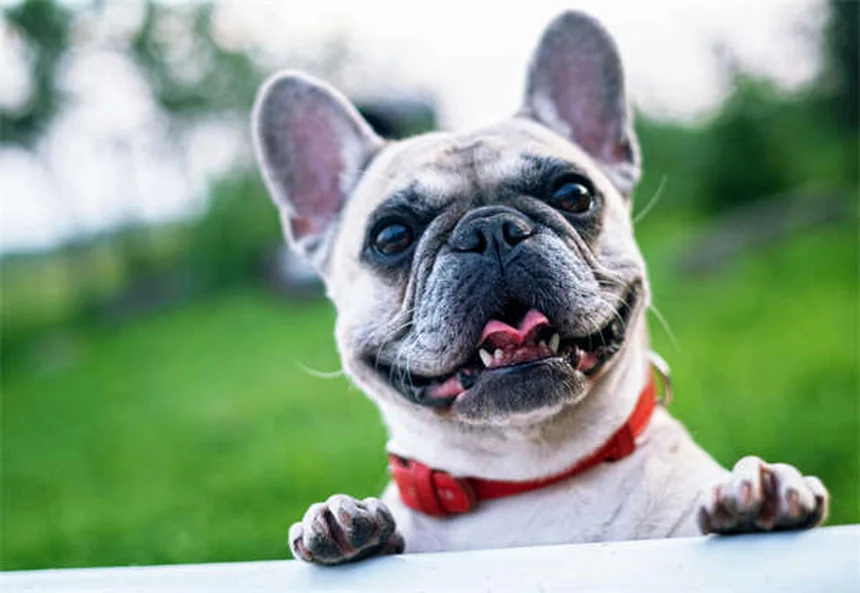
Why do pugs and bulldogs struggle more in heat? Their adorable smooshed faces actually create breathing challenges that affect temperature control. My friend's French bulldog needs special cooling mats and limited outdoor time in summer - his shortened airways make panting less effective.
If you have a brachycephalic breed, consider these adaptations:• Use harnesses instead of collars (reduces breathing restriction)• Invest in a doggy pool (helps with evaporative cooling)• Monitor humidity levels (high humidity makes panting less effective)• Consider indoor potty options for extreme weather days
Cold-Weather Champions
On the flip side, northern breeds like malamutes and samoyeds thrive in cold weather but can overheat easily indoors. I'll never forget seeing a husky at the dog park in July - poor guy was miserable despite his owner bringing water and shade. These snow lovers often need help staying cool when temperatures rise.
For cold-weather breeds in warm climates:• Provide constant access to cool surfaces (tile, cooling mats)• Use fans or air conditioning during hot months• Trim paw fur to improve heat dissipation• Avoid walks during peak heat hours• Watch for excessive panting as a sign of distress
Technology That Helps Monitor Canine Health
Wearables for Dogs
Did you know they make fitness trackers for dogs? These nifty devices can track activity levels, rest patterns, and even estimate calorie burn. While they don't measure temperature directly, sudden changes in activity data can signal health issues before other symptoms appear.
I tried one on my dog last year and discovered he was most active between 6-8am and 5-7pm - information that helped me optimize his exercise schedule. The app even alerted me when his nighttime restlessness increased, which turned out to be early signs of an ear infection!
Smart Home Solutions
Modern technology offers amazing tools for pet parents. Smart cameras can alert you if your dog starts panting excessively while you're away. Automated feeders can track food intake - decreased appetite being a potential fever indicator. I use a Wi-Fi thermometer in my dog's favorite room to ensure the temperature stays in his comfort zone when I'm not home.
Here are some tech tools worth considering:• Pet cameras with motion alerts• Smart collars with activity monitoring• Automatic water dispensers with usage tracking• Room sensors for temperature/humidityWhile not replacements for veterinary care, these gadgets provide valuable insights into your dog's normal patterns.
E.g. :How to Take Your Dog's Temperature: Methods, Tools and More
FAQs
Q: How often should I check my dog's temperature?
A: You don't need to check it daily unless your vet recommends it. I suggest establishing your dog's baseline by taking their temperature at different times over a week - morning, after playtime, and at night. This helps you learn their personal normal range. For example, my neighbor's greyhound naturally runs about a degree cooler than my lab. If your dog seems sick (lethargic, not eating), then check every few hours to monitor changes. Always use a digital rectal thermometer for accuracy - those fancy ear thermometers just don't cut it for dogs!
Q: Can I use a human thermometer on my dog?
A: Yes, but with important precautions! Any digital thermometer will work, but you'll want to dedicate one specifically for your dog (label it clearly!). Here's what I recommend: look for a quick-read digital thermometer with a flexible tip. The process is simple - lubricate the tip with petroleum jelly, gently insert about an inch, and wait for the beep. Pro tip: Make it positive with treats! I trained my dog to associate thermometer time with chicken bits, and now he barely notices. Just remember - never use the same thermometer for humans afterward, even if you clean it.
Q: What's the fastest way to cool down an overheated dog?
A: Cool (not cold) water is your best friend here. If your dog's temp hits 104°F, here's exactly what to do: First, move them to shade immediately. Use lukewarm water on their paw pads, belly, and armpits - never ice water, as this can shock their system. A fan helps too. Offer small amounts of water to drink, but don't force it. I keep cooling towels in my dog first aid kit for emergencies. Important: If their temp is over 105°F or they're showing serious symptoms (vomiting, collapse), skip home treatment and head straight to the emergency vet - this is life-threatening!
Q: Why does my dog's temperature change throughout the day?
A: Just like humans, dogs have natural temperature fluctuations! Their temp is typically lowest in the early morning and highest in late afternoon. Exercise, stress, and environmental heat all cause temporary increases. For instance, my dog's temp rises about 1-1.5 degrees after his daily park run - completely normal! The key is knowing your dog's personal patterns. That's why I recommend keeping a simple log if you're concerned. You'll quickly see what's normal for your pup versus when there might be real cause for concern.
Q: Are some dog breeds more prone to overheating?
A: Absolutely, and this is crucial to understand. Brachycephalic breeds (pugs, bulldogs, boxers) are at highest risk because of their short airways. Dark-coated dogs and overweight dogs also overheat faster. My friend's pug can't handle more than 10 minutes in 80°F weather, while my lab happily plays for hours. Other high-risk groups include very young puppies, senior dogs, and dogs with heart conditions. If you have one of these pups, be extra vigilant in warm weather - walk them early morning/late evening, always provide shade and water, and consider a cooling vest for outdoor activities.