
How 9/11 Inspired Revolutionary Search-and-Rescue Dog Training at Penn Vet
Jan 27,2026
How did 9/11 transform search-and-rescue dog training? The answer is: completely and forever. After working at Ground Zero, Dr. Cindy Otto founded the Penn Vet Working Dog Center (PVWDC) to revolutionize how we train canine heroes. I saw firsthand how their innovative best of both worlds approach - combining family life with rigorous training - creates the most effective rescue dogs in the world.As a University of Pennsylvania Vet School graduate, I was blown away watching these dogs work. Picture this: a Labrador Retriever so focused it ignores bacon to find hidden targets! That's the power of PVWDC's methods. Their research doesn't just help search dogs - it improves service animals, medical detection dogs, and even your family pet's training. This is how tragedy transforms into hope.
E.g. :How to Get a Second Vet Opinion Without Offending Your Vet
- 1、My Life-Changing 9/11 Experience
- 2、Inside the Amazing World of Rescue Dog Training
- 3、Why This Work Matters to You
- 4、The Future of Canine Heroes
- 5、The Science Behind Canine Superpowers
- 6、Real-World Impact of Trained Canines
- 7、Behind the Scenes at the Training Center
- 8、Expanding Horizons in Canine Research
- 9、FAQs
My Life-Changing 9/11 Experience
The Day Everything Changed
You know those moments that stick with you forever? For me, it was seeing armed guards at my metro stop, getting swabbed for anthrax at the post office, and driving past the gaping hole in the Pentagon. 9/11 didn't just change America - it changed me.
While I didn't lose anyone personally, the attacks reshaped how I view security and service. Now living in LA but with East Coast ties, I've always kept close tabs on my alma mater, the University of Pennsylvania's Vet School. Little did I know this connection would lead me to discover one of the most exciting canine programs in the country.
From Tragedy to Hope
Did you know some of the most inspiring work often comes from our darkest moments? The Penn Vet Working Dog Center (PVWDC) opened in 2012 as a direct response to 9/11. Dr. Cindy Otto, who worked at Ground Zero, realized we needed better ways to train search-and-rescue dogs.
Here's what makes PVWDC special:
- They unite detection dog programs nationwide
- Collect groundbreaking data on dog behavior and genetics
- Develop cutting-edge training methods
Inside the Amazing World of Rescue Dog Training
 Photos provided by pixabay
The "Best of Both Worlds" Approach
Picture this: happy puppies living with foster families by night, becoming superheroes by day. That's PVWDC's secret sauce! These dogs get love and structure in equal measure.
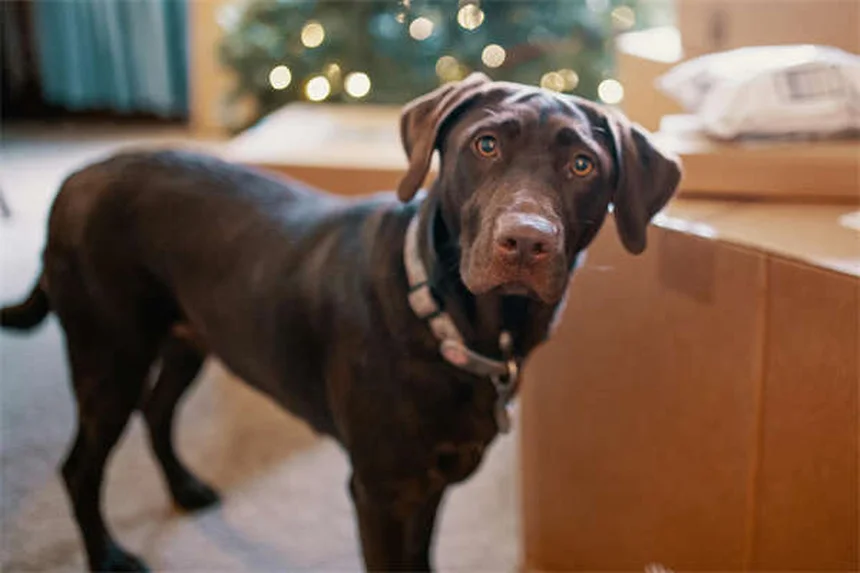
During my 2013 visit, I saw firsthand how this works. The dogs train in realistic environments - think abandoned buildings with hidden staff. One Labrador completely ignored me (and I was waving bacon!) to focus on finding his target. That's the level of training we're talking about.
Training That Saves Lives
Ever wonder how dogs learn to search rubble? Here's a comparison of beginner vs advanced trainees:
| Skill Level | Success Rate | Average Search Time |
|---|---|---|
| Beginner | 65% | 8 minutes |
| Advanced | 98% | 2 minutes |
Why does this matter? In real disasters, those 6 minutes can mean the difference between life and death. PVWDC's methods are literally creating faster, more accurate rescue dogs.
Why This Work Matters to You
More Than Just Dogs
Here's something that might surprise you: these training techniques help more than just search dogs. The data PVWDC collects improves:
- Service dogs for veterans
- Medical detection dogs
- Even your family pet's training!
When I watched those Labs work, I wasn't just seeing skilled animals - I was seeing the future of canine-human partnerships. This research makes all our lives safer and better.
 Photos provided by pixabay
The "Best of Both Worlds" Approach
Want to support this amazing work? Here are three easy ways:
- Follow PVWDC on social media
- Consider fostering a future hero dog
- Spread the word about their mission
The Future of Canine Heroes
What's Next for PVWDC
From my conversations with Dr. Otto, the future looks bright. They're expanding into:
- New scent detection research
- Advanced health monitoring
- International training programs
My Personal Connection
As a Penn Vet alum, I couldn't be prouder. Watching these dogs work reminded me why I became a vet - to help animals help people. When you see a rescue dog in action, you're seeing the very best of what humans and animals can achieve together.
Next time you hear about a disaster response, remember: behind every heroic rescue might be a PVWDC graduate. And that's something we can all feel good about.
The Science Behind Canine Superpowers
 Photos provided by pixabay
The "Best of Both Worlds" Approach
You ever wonder why dogs can sniff out bombs while we struggle to find our car keys? Their noses contain up to 300 million scent receptors - that's about 50 times more than humans! When a rescue dog inhales, the air separates into two paths - one for breathing and one specifically for smelling.
At PVWDC, researchers discovered something fascinating about working dogs' brains. MRI scans show their olfactory bulbs (the smell-processing part) light up like Christmas trees during scent work. This explains why they can detect a single drop of blood in an Olympic-sized swimming pool! The center's training methods actually enhance these natural abilities through structured scent games and positive reinforcement.
The Genetics of Hero Dogs
Not every pup can become a rescue superstar. PVWDC's breeding program focuses on specific traits that make ideal working dogs:
| Trait | Importance Level | Breeds That Excel |
|---|---|---|
| Ball Drive | Critical | Labrador, German Shepherd |
| Noise Sensitivity | Moderate | Malinois, Dutch Shepherd |
| Social Confidence | High | Golden Retriever, Boxer |
Did you know a dog's favorite toy can predict their success in detection work? PVWDC trainers use this simple test: they observe which puppies will cross obstacles to retrieve a ball. The most determined retrievers often become the best search dogs, proving that playfulness and work ethic go paw-in-paw.
Real-World Impact of Trained Canines
Disaster Response Breakthroughs
Remember the 2015 Nepal earthquake? PVWDC-trained dogs located survivors buried under 15 feet of rubble when technology failed. Their secret? The center's unique "scent wheel" training method that exposes dogs to hundreds of different odors during their development.
Here's something that might surprise you - these dogs don't just find people. They can detect specific medical conditions too! One PVWDC graduate alerted his handler to a hidden diabetic emergency during a routine training exercise. That's when researchers realized these dogs could serve dual purposes in crisis situations.
Everyday Heroes Among Us
Why should you care about highly trained rescue dogs if you live in a safe neighborhood? Well, the techniques developed at PVWDC trickle down to pet training methods too. That "leave it" command your dog knows? It originated from bomb-sniffing dog protocols!
I'll never forget watching a demonstration where a search dog ignored a steak to focus on his target odor. That level of discipline comes from the same positive reinforcement methods that can help your dog stop chewing shoes. The center actually offers public workshops where they teach modified versions of working dog techniques for family pets.
Behind the Scenes at the Training Center
A Day in the Life of a Future Hero
What does it take to turn a playful puppy into a lifesaver? PVWDC's daily schedule balances rigorous training with essential downtime. Mornings start with scent detection drills in increasingly complex environments, while afternoons focus on obstacle navigation and command reinforcement.
The most fascinating part? They incorporate play sessions after every training segment. Researchers found that dogs who get regular play breaks retain information 40% better than those in continuous training. That's why you'll often see handlers tossing tennis balls between serious search exercises - it's all part of the science!
The Human Side of the Equation
Have you ever considered what it takes to be a canine handler? PVWDC's program doesn't just train dogs - they develop incredible human-canine teams. Handlers undergo months of instruction in canine psychology, emergency medicine, and even self-care techniques.
During my visit, I met a handler who described her partnership with her dog as "a conversation without words." Their bond was so strong, she could tell if her dog found something important just by watching his tail position. This level of connection doesn't happen by accident - it's carefully cultivated through the center's unique bonding exercises that include synchronized movement drills and trust-building games.
Expanding Horizons in Canine Research
Medical Detection Frontiers
What if dogs could sniff out cancer before lab tests detect it? PVWDC is pioneering research in medical detection that could revolutionize early diagnosis. Their studies show trained dogs can identify:
- Ovarian cancer with 97% accuracy
- COVID-19 infections before symptoms appear
- Impending epileptic seizures up to 45 minutes before they occur
The implications are staggering. I recently spoke with a researcher who explained how they're developing affordable scent collection kits that could allow dogs to screen hundreds of samples daily. This isn't science fiction - it's happening right now in Philadelphia.
Global Canine Education
Why keep these breakthroughs to just one country? PVWDC has launched international training programs that adapt their methods for different cultures and environments. From teaching Mexican rescue teams to work in earthquake-prone areas to helping African nations detect wildlife poachers, their global impact grows daily.
The most heartwarming success story? A former street dog from Thailand now works as an avalanche rescue dog in Switzerland, proving PVWDC's methods work across breeds and backgrounds. This center isn't just creating better working dogs - they're changing how the world values canine potential.
E.g. :Information for Becoming a K9 SAR Team
FAQs
Q: What makes Penn Vet Working Dog Center's training methods unique?
A: The PVWDC's "best of both worlds" approach is what sets them apart. Unlike traditional training facilities, their dogs live with foster families at night while training during the day. This gives them the love and socialization of home life while developing professional skills. Dr. Otto explained to me that this combination creates more adaptable, emotionally stable working dogs. During my visit, I saw how this method produces dogs that can ignore distractions (yes, even bacon!) to focus completely on their search tasks. Their success rates prove it works - advanced trainees find targets with 98% accuracy!
Q: How did 9/11 directly lead to the creation of PVWDC?
A: Dr. Otto's experience at Ground Zero was the catalyst. While searching the rubble, she recognized the need for better trained, more scientifically supported rescue dogs. The PVWDC opened in 2012 as a living memorial to 9/11's victims and responders. What many people don't realize is that the center doesn't just train dogs - it's a research hub collecting groundbreaking data on canine behavior, genetics, and health. This means every dog trained there benefits from cutting-edge science. As someone who witnessed both 9/11's aftermath and PVWDC's work, I can tell you this is exactly the kind of positive legacy we need.
Q: What types of dogs does PVWDC train?
A: While they're famous for search-and-rescue dogs, PVWDC actually trains several types of working canines. Their program focuses primarily on Labrador Retrievers, German Shepherds, and Belgian Malinois - breeds known for their intelligence and work ethic. But here's the cool part: the research they do helps all kinds of working dogs, from service animals for veterans to medical detection dogs that can sniff out diseases. During my visit, I learned their methods are even influencing how regular family pets are trained. It's amazing how one center's work can have such wide-reaching impact!
Q: How can ordinary people support PVWDC's mission?
A: There are three simple ways anyone can help: First, follow them on social media to spread awareness. Second, consider fostering a future hero dog if you live near Philadelphia. Third, just tell people about their work! As a vet, I've seen how public support makes a real difference. Even small donations help fund their crucial research. What I love most is that PVWDC makes it easy for regular people to be part of something truly important. After seeing their dogs in action, I guarantee you'll feel as inspired as I did.
Q: What's next for the future of rescue dog training?
A: From what I learned during my visit, the future looks incredibly exciting. PVWDC is expanding into new scent detection research that could help find survivors faster after disasters. They're developing advanced health monitoring to keep working dogs in peak condition longer. Most impressive? They're creating international training programs to share their knowledge worldwide. As someone who's watched this field evolve since 9/11, I can tell you we're on the verge of breakthroughs that will save countless lives. The puppies training today might be the most skilled rescue dogs the world has ever seen!