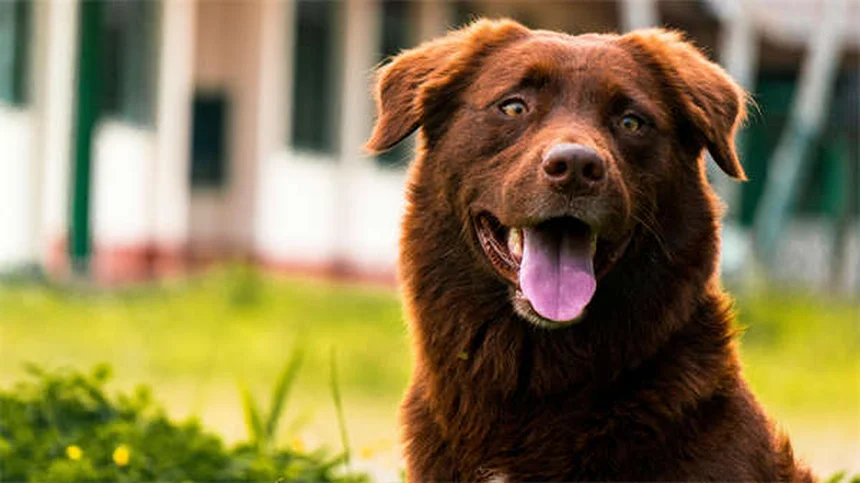

10 Amazing Health Benefits of Walking Your Dog Daily
Jan 29,2026
Why should you walk your dog every day? The answer is simple: daily walks transform your pet's health and happiness in ways you might not expect! As a dog owner myself, I've seen firsthand how regular strolls do way more than just prevent indoor accidents - they're like a supercharged vitamin for your pup's body and mind. Think about it: would you feel good being cooped up inside all day? Neither does your dog! Walking provides crucial exercise, mental stimulation, and bonding time that keeps tails wagging. In fact, research from the Association for Pet Obesity Prevention shows dogs walked daily are 40% less likely to develop anxiety - that's huge! Whether you've got a energetic puppy or a senior dog, those daily steps make all the difference. Let me show you why grabbing that leash might be the best thing you do for your furry friend today.
E.g. :How 9/11 Inspired Revolutionary Search-and-Rescue Dog Training at Penn Vet
- 1、Why Walking Is a Game-Changer for Your Pet
- 2、Social Butterflies (Yes, Dogs Too!)
- 3、Joint Health: Walk Now, Thank Yourself Later
- 4、Safety First, Sniffs Second
- 5、Routine = Happiness
- 6、The Big Picture
- 7、The Hidden Perks of Walking Your Pet
- 8、The Human Benefits You Never Considered
- 9、Creative Ways to Spice Up Your Walks
- 10、When Life Gets in the Way
- 11、The Ripple Effects of Regular Walks
- 12、FAQs
Why Walking Is a Game-Changer for Your Pet
More Than Just Potty Breaks
Let’s be real—when you grab that leash, your dog probably thinks, "Finally! My human gets it!" But walks aren’t just about avoiding indoor accidents (though that’s a nice perk). Regular strolls boost your pet’s physical and mental health, much like how hitting the gym keeps you sane during a hectic week.
Think about it: Would you thrive if you stayed indoors 24/7? Neither does your pup. Walks provide sensory stimulation—sniffing fire hydrants, hearing birds, feeling different textures under their paws. It’s their version of scrolling through social media, minus the drama. A 2023 study by the Association for Pet Obesity Prevention found that dogs walked daily were 40% less likely to develop anxiety compared to couch-potato pups.
The Weight Management Secret
Ever seen a chonky corgi waddle? Adorable, but unhealthy. Just like us, pets need movement to avoid packing on pounds. Here’s the kicker: 30 minutes of walking burns roughly 100 calories for a mid-sized dog. Do that twice daily, and you’ve torched a extra meal’s worth of energy!
| Activity | Calories Burned (Avg. 30lb Dog) |
|---|---|
| Walking (leisurely pace) | 90-110 |
| Fetch (moderate intensity) | 130-150 |
| Dog Park Sprinting | 200+ |
Pro tip: Mix up routes to keep things interesting. Your dog’s nose will thank you for new smells, and you’ll both avoid the "same sidewalk, same tree" rut.
Social Butterflies (Yes, Dogs Too!)
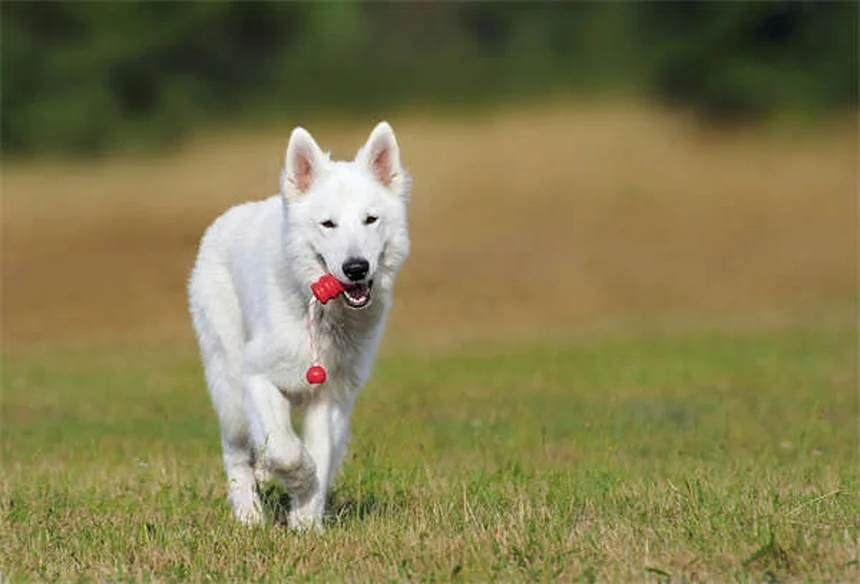 Photos provided by pixabay
From Shy to "Hey New Friend!"
Does your pet hide when guests arrive? Regular walks can transform timid tails into confident wags. Controlled exposure to neighbors, other dogs, and even squirrels builds social skills. Fun fact: Dogs who walk in pairs or groups often mirror each other’s relaxed body language—it’s like they’re saying, "If my buddy’s cool, I’m cool."
Take Bella, a rescue terrier I worked with. After two months of daily park walks, she went from barking at shadows to initiating play bows. Her owner joked, "Now she’s the mayor of our block."
Bonding That Beats Binge-Watching
Here’s a question: When was the last time you and your pet truly connected without distractions? No phones, no TV—just exploring together. Walks create shared adventures, whether it’s discovering a hidden trail or laughing at your dog’s obsession with a particular mailbox.
Try this: Dedicate one walk per week as a "no-rush" outing. Let your pet lead (within reason). You’ll notice how they check back with you—their version of "You seeing this awesome stick?!"
Joint Health: Walk Now, Thank Yourself Later
Arthritis Isn’t Just a Senior Problem
Wait—can walking really prevent creaky joints? Absolutely! Low-impact movement lubricates those hips and knees like WD-40 for pets. Vets recommend consistent, moderate walks over sporadic intense play to protect cartilage.
For older pets, think of walks as physical therapy. My 12-year-old lab mix, Duke, does short "sniffaris" (slow walks focused on exploration). His vet says these maintain mobility without straining him. Bonus: He naps like a rock afterward.
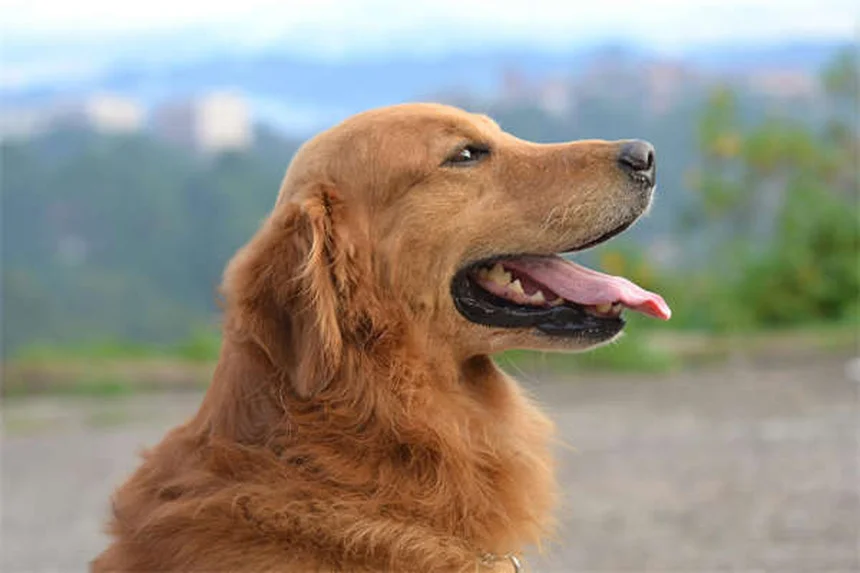 Photos provided by pixabay
From Shy to "Hey New Friend!"
Ever wonder why your dog zooms around at midnight? Pent-up energy! A tired dog is a well-behaved dog—less likely to chew shoes or redecorate your couch with stuffing. Morning walks set a calm tone for the day, while evening walks help them (and you!) unwind.
Here’s a reality check: If your pet’s breed was historically a herder or hunter, they’re wired for activity. A border collie without exercise is like a Tesla in a garage—wasted potential!
Safety First, Sniffs Second
Leash Laws Exist for Good Reason
"But my dog listens perfectly off-leash!" Famous last words before they chase a skateboard into traffic. Even well-trained pets can bolt if startled. Leashes prevent accidents, altercations with other animals, and lost-pet nightmares.
Pro move: Use a 6-foot leash (not retractable) for control. It lets your pet explore safely while you avoid arm injuries from sudden squirrel pursuits.
Weather Wisdom
Would you walk barefoot on scorching pavement? Ouch! Test surfaces with your hand—if it’s too hot for you, it burns their paws. In winter, watch for ice-melting chemicals that can irritate skin. Booties or paw wax solve both issues.
Hydration matters too. I stash a collapsible bowl in my pocket—because no one enjoys carrying a slobbery water bottle home.
Routine = Happiness
 Photos provided by pixabay
From Shy to "Hey New Friend!"
Chaotic schedule? Your pet notices. Regular walk times regulate their digestion, sleep, and overall mood. It’s the difference between "Is dinner happening?" anxiety and zen-like confidence.
My neighbor’s beagle, Winston, sits by the door at 5:30 PM sharp. Rain or shine, he knows adventure awaits. That consistency reduces his stress—and my neighbor’s guilt trips when running late!
Training Opportunities Galore
Walks are mobile classrooms. Practice "leave it" with sidewalk pizza, or "heel" past distractions. Positive reinforcement during walks strengthens obedience faster than treat drills at home.
Remember: If you’re frustrated, end on a success (even a simple "sit"). You’ll both feel accomplished.
The Big Picture
You’re Their Whole World
Here’s the heart of it: Every walk tells your pet, "I choose you." In their eyes, that 20-minute loop around the block is an epic quest—with you as their favorite sidekick.
So lace up those sneakers. That wagging tail at the door? That’s all the motivation you need.
The Hidden Perks of Walking Your Pet
Your Dog's Natural GPS System
Did you know your dog's nose contains up to 300 million scent receptors? That's like comparing your smartphone's basic map to a military-grade satellite system! When we let our dogs sniff during walks, we're actually giving their brains an intense workout.
I once timed my beagle, Baxter, sniffing a single lamppost for 3 minutes and 42 seconds. To him, that post was basically the canine version of reading War and Peace - full of drama, intrigue, and probably some very personal messages from other dogs. This mental stimulation tires them out way more than just physical exercise alone.
The Neighborhood Watch Program
Who needs a security system when you have a dog? Regular walkers become the eyes and ears of the community. I can't count how many times Mrs. Johnson's poodle has alerted me to:
- That suspicious raccoon family in the oak tree
- The new bakery opening three blocks away
- The fact that the mailman changed his cologne
Your daily walks create a network of familiar faces and places that keeps everyone safer. It's like having your own furry neighborhood watch captain!
The Human Benefits You Never Considered
Forced Meditation Time
When was the last time you spent 30 minutes completely unplugged? No emails, no TikTok, just you and your four-legged mindfulness coach. Walking your dog creates built-in breaks from our hyper-connected lives.
My friend Sarah calls it "podcast and paws" time - she listens to her favorite shows while her golden retriever conducts important sniffing research. Either way, you're getting mental space that's hard to come by these days.
The Ultimate Icebreaker
Want to meet people? Get a dog and walk it. I've made more friends through casual "Your dog is so cute!" conversations than I ever did at networking events. There's something about dogs that makes strangers suddenly willing to:
| Situation | Normal Human Behavior | Dog Walker Behavior |
|---|---|---|
| Passing someone on street | Avoid eye contact | Stop for 10 minute conversation |
| Seeing someone regularly | Maybe nod after 6 months | Know their dog's name, age, and favorite treat |
Seriously, my dog has better social skills than I do - and he pees on fire hydrants!
Creative Ways to Spice Up Your Walks
Turn Exercise Into a Game
Who says walks have to be boring? Try these fun variations:
The Sniffari: Let your dog choose the route for 10 minutes. You'll be amazed where their nose takes you - I once ended up at a taco truck two blocks from my usual path!
The Training Circuit: Use landmarks as cues. Mailbox = sit. Fire hydrant = stay. That one weird tree = shake. Before you know it, you've got a full obedience course.
Seasonal Walk Activities
Ever tried a "leaf stomp walk" in autumn? Dogs go nuts for crunchy leaves. Here's my seasonal walk calendar:
- Spring: Flower sniffing tour (avoiding bees!)
- Summer: Early morning "beat the heat" walks
- Fall: Leaf pile diving (the dog does the diving)
- Winter: Snow maze creation in empty lots
Pro tip: Bring treats shaped like seasonal items - pumpkin cookies in fall, bone-shaped ice cubes in summer. It's the little things!
When Life Gets in the Way
Bad Weather Workarounds
Rainy day? Try indoor "adventure walks" - walk up and down stairs, practice commands in different rooms, or create an obstacle course with household items. My terrier thinks laundry baskets are mountain tunnels!
For those brutally hot or cold days when outdoor walks aren't safe, consider:
- Mall walking (many allow dogs in the mornings)
- Home Depot trips (great for socialization)
- Doggy treadmill training (yes, it's a thing)
The Time-Crunched Walker's Guide
Only have 10 minutes? Make them count with these power walk techniques:
The Sniff Sprint: Alternate between fast walking and letting your dog stop to sniff. It's like interval training for dogs!
The Errand Combo: Walk to check your mailbox, then circle the block. Walk to take out trash, then do an extra lap. Before you know it, you've stacked up 30 minutes throughout the day.
Remember - some walk is always better than no walk. Your dog won't judge you for a short outing!
The Ripple Effects of Regular Walks
Better Vet Visits
Here's something vets don't tell you - well-exercised dogs tend to be better patients! All that walking:
- Keeps nails naturally filed down
- Helps maintain healthy weight
- Reduces stress during exams
My vet actually compliments my dog's "walking paws" - apparently pavement is nature's nail file!
The Sleep Connection
Ever notice how kids sleep better after playing outside? Same goes for dogs. A proper walk helps regulate their circadian rhythms, leading to:
- Deeper sleep cycles
- Less nighttime restlessness
- Fewer 3am "I'm bored" wake-up calls
It's simple math: tired dog = full night's sleep for everyone. Now that's what I call a win-win!
E.g. :Dog Walking: The Health Benefits of Walks with Your Dog ...
FAQs
Q: How long should I walk my dog each day?
A: The perfect walk time depends on your dog's breed and age, but most healthy adult dogs thrive with 30-60 minutes of walking daily. For high-energy breeds like Border Collies or Labradors, you might need two 45-minute walks. Smaller or older dogs often do great with shorter 20-minute strolls. I always tell my clients: watch your dog's energy levels. If they're bouncing off the walls at night, they probably need more exercise! Remember, it's better to do multiple shorter walks than one marathon session - your pup's joints will thank you later.
Q: Can walking really help my overweight dog lose weight?
A: Absolutely! Walking is one of the safest, most effective ways to help your dog slim down. Here's why: a 30-minute walk burns about 100 calories for a medium-sized dog - that's like cutting out an extra meal! I've worked with dozens of "chonky" dogs (yes, even that adorable waddling Corgi), and consistent walks combined with proper diet make a huge difference. Start slow if your dog isn't used to exercise, and gradually increase distance. Pro tip: try varying your route to keep things interesting - new smells mean more mental stimulation too!
Q: My dog gets nervous around other dogs. Can walks help?
A: You'd be amazed how much regular walks can boost your dog's confidence! Controlled exposure to other dogs during walks is like social skills training. Start with quiet routes at less busy times, keeping enough distance that your dog notices others but doesn't panic. Over time, decrease the distance as they become more comfortable. I've seen shy dogs transform into social butterflies after a few months of consistent walks. Remember to stay calm yourself - dogs pick up on our energy. Bring tasty treats to create positive associations too!
Q: Is it safe to walk my dog in extreme weather?
A: Weather awareness is crucial for safe walks. In summer, always check pavement temperature with your hand - if it's too hot for you, it burns their paws! Early morning or evening walks are best when it's scorching. Winter brings ice-melting chemicals that can irritate paws, so consider booties or protective wax. For both seasons, I recommend shorter but more frequent walks. My personal lifesaver? A collapsible water bowl that fits in my pocket - hydration matters year-round! When in doubt, consult your vet about weather-specific precautions for your breed.
Q: How can I make walks more enjoyable for both me and my dog?
A: Here's my top secret for happy walks: make it an adventure for both of you! Try designating one walk per week as a "sniffari" where your dog gets to lead (within reason) and explore interesting smells. Bring training treats to practice commands in new environments. I also love using walks to discover new neighborhoods or trails - it keeps things fresh for both of us. Remember, your enthusiasm is contagious! When you're excited about walk time, your dog will be too. And that joyful wag when you reach for the leash? That's all the motivation you need.