
Is Your Dog Mad at You? Expert Insights on Canine Emotions
Dec 27,2025
Is your dog mad at you? The short answer is: No, your dog isn't actually angry with you - but they might be trying to tell you something important! While dogs definitely experience emotions like joy and fear, experts agree they don't hold grudges like humans do. That growl or cold shoulder you're getting? It's more likely your pup is feeling anxious, in pain, or just reacting to changes in their environment.As a dog owner myself, I know how easy it is to humanize our pets' behavior. We've all been there - one minute your golden retriever is your shadow, the next they're avoiding eye contact. But here's the truth: dogs communicate differently than we do. What looks like anger might actually be your dog saying I'm not feeling great or This situation makes me nervous.In this article, we'll break down what's really going on when your dog seems mad, how to spot the difference between behavioral issues and health problems, and most importantly - what you can do to help your furry friend feel better. Because at the end of the day, that's what we all want, right?
E.g. :Dog Nosebleeds: Causes, Treatment & When to Worry
- 1、Understanding Your Dog's Emotions
- 2、Decoding "Mad Dog" Behavior
- 3、What You Can Do About It
- 4、Building a Better Relationship With Your Dog
- 5、Creating a Dog-Friendly Routine
- 6、Expanding Your Dog's Emotional Vocabulary
- 7、Enhancing Your Dog's Emotional Well-being
- 8、Understanding Breed-Specific Emotional Traits
- 9、The Human-Dog Emotional Connection
- 10、Recognizing Emotional Growth
- 11、FAQs
Understanding Your Dog's Emotions
Can Dogs Really Feel Emotions Like Humans?
Let me ask you something - when your dog wags its tail like a windshield wiper during a hurricane, do you really think that's just random movement? Of course not! Dogs absolutely experience emotions, though maybe not in the same complex ways we do.
Linda Case, a top dog expert, puts it perfectly: "Basic emotions like joy, fear, and anxiety - dogs definitely experience them." Think about how your pup acts when you grab the leash versus when you grab the vacuum cleaner. That's emotion in action! Their emotional range is similar to a 2.5-year-old human - they feel affection, excitement, even suspicion, but don't expect them to write poetry about it.
What About Anger? Do Dogs Get Mad?
Here's where things get interesting. While dogs can show behaviors we might interpret as anger, they don't actually get "mad at you" in the way humans do. When your dog growls or snaps, it's more about immediate reactions than some canine version of holding a grudge.
Nannette Morgan, a certified dog behavior consultant, explains that what looks like anger might actually be frustration, fear, or even just annoyance. Imagine if you couldn't talk and someone kept stepping on your tail - you'd probably snap too! The key difference? Dogs don't plot revenge like humans might.
Decoding "Mad Dog" Behavior
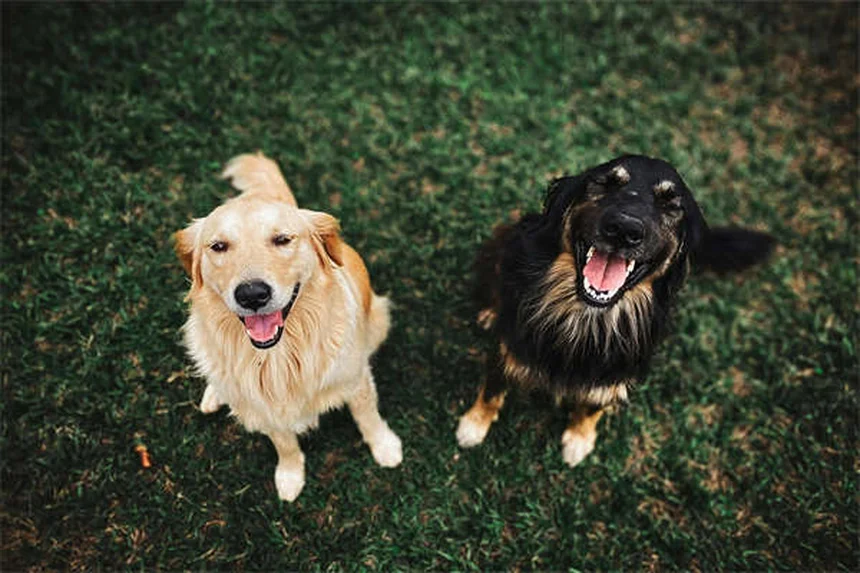 Photos provided by pixabay
Why Does My Dog Seem Upset With Me?
Ever had one of those days where your dog just won't look at you? Before you start writing apology letters to your pup, consider this - you might be reading too much into it. We humans love to assign human emotions to our dogs, but often there's a simpler explanation.
Let me give you an example. Say your work schedule changed and you're walking your dog less. Instead of thinking "He's mad at me," it's more likely he's just anxious or frustrated. Dogs live in the moment - they're not sitting there thinking "My human forgot our 3 PM walk again... how rude!"
Could It Be a Health Issue?
Here's something many dog owners don't realize - pain often looks like anger in dogs. It's an evolutionary thing - in the wild, showing weakness makes you vulnerable. So if your normally sweet pup suddenly seems "mad," it might actually be:
| Behavior | Possible Cause |
|---|---|
| Growling when touched | Sore muscle or joint pain |
| Snapping at family members | Dental issues or internal pain |
| Withdrawing from contact | General illness or discomfort |
Morgan explains it well: "Your dog might not limp, but if he has a sore or strained muscle or tweaks his back, that could appear as if the dog is mad at you." So before you assume it's personal, consider a vet visit.
What You Can Do About It
When to Seek Professional Help
Here's a simple rule: if your dog's behavior changes last more than a few days or seem severe, get professional help. I know, I know - you want to fix everything yourself. But sometimes you need an expert eye.
Case puts it bluntly: "Anything that seems like he's not his normal self is cause for concern." We're talking about changes in eating habits, energy levels, or general demeanor. Your vet can rule out physical issues, and if needed, recommend a behaviorist.
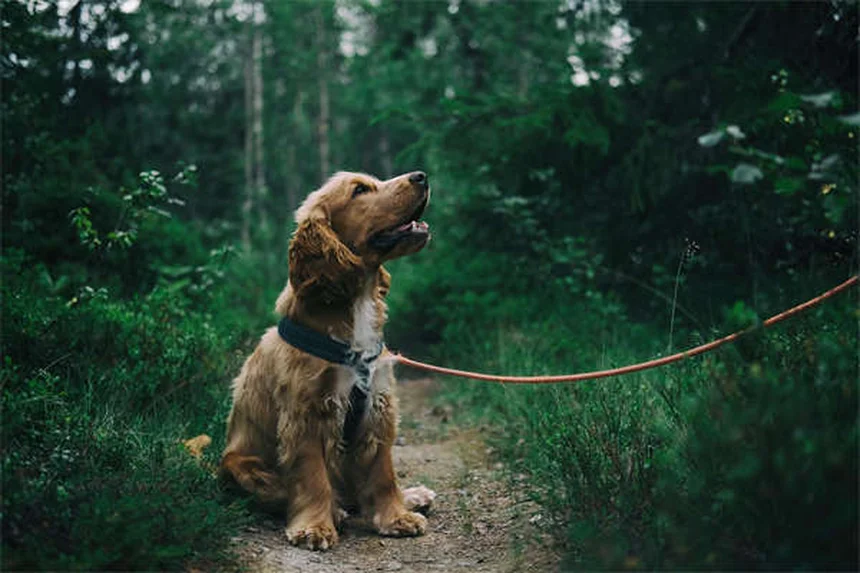 Photos provided by pixabay
Why Does My Dog Seem Upset With Me?
Is your dog suddenly acting different? Let me ask you this - has anything changed in your home recently? You'd be surprised how sensitive dogs are to their environment. That new lamp? The construction noise down the street? Even your new perfume could be throwing your pup off.
The solution? Play detective. Keep a log of when the behavior occurs. Did the mailman just come? Did you rearrange the furniture? Once you identify the trigger, you can help your dog adjust. And if you're stuck, that's when a professional behaviorist can work wonders.
Building a Better Relationship With Your Dog
Quality Time Matters
You know what's better than worrying if your dog is mad at you? Preventing the issue in the first place. Regular, meaningful interaction is key. And no, I don't just mean the occasional belly rub while you're watching TV.
Try setting aside 15 minutes of undivided attention each day. Play their favorite game, practice some training (positive reinforcement only, please!), or just sit together. This strengthens your bond and helps you notice subtle changes in behavior early.
Reading Your Dog's Signals
Here's a fun fact - dogs communicate constantly, just not with words. Their body language tells you everything if you know how to read it. A "mad" dog might actually be:
- Licking lips (stress)
- Yawning (discomfort)
- Whale eye (showing the whites of their eyes - anxiety)
- Tucked tail (fear)
The more you understand these signals, the better you can respond to your dog's actual needs rather than guessing at emotions. Remember - your dog isn't giving you the silent treatment, they're speaking in a different language!
Creating a Dog-Friendly Routine
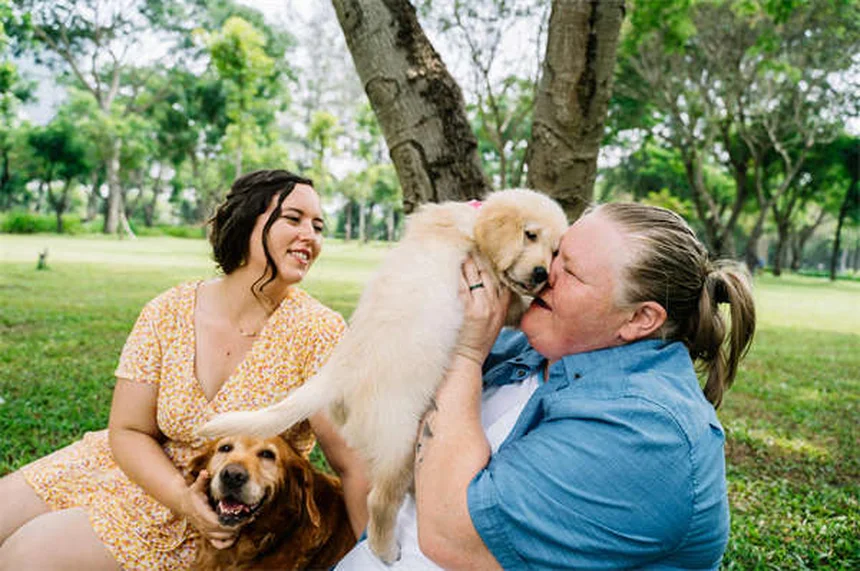 Photos provided by pixabay
Why Does My Dog Seem Upset With Me?
Dogs thrive on routine. I'm not saying you need to set your watch by your dog's potty schedule (though some owners do!), but consistency reduces stress. Think about it - wouldn't you be cranky if meal times and walks happened randomly?
Aim for regularity in:
- Feeding times
- Walk schedules
- Play sessions
- Quiet time
This predictability gives your dog a sense of security, which means less "mad" behavior and more happy tail wags.
Exercise - The Magic Solution
You know the saying "a tired dog is a good dog"? There's truth to it. Proper exercise can solve a surprising number of behavior issues. But here's the catch - it's not just about physical exercise.
Mental stimulation is equally important. Try:
- Food puzzle toys
- Nose work games
- New training tricks
- Different walking routes
A dog that's both physically and mentally tired is a dog that's too busy being happy to act "mad." And isn't that what we all want?
Expanding Your Dog's Emotional Vocabulary
Beyond Basic Emotions: Complex Feelings in Dogs
You might be surprised to learn that dogs experience more than just simple emotions like happiness or fear. Recent studies suggest they can feel embarrassment and even jealousy. Ever seen your dog slink away after missing a catch? That's not just disappointment - it's canine embarrassment!
Dr. Alexandra Horowitz's research at Barnard College shows dogs have self-awareness similar to human toddlers. When your pup hides under the bed after knocking over a lamp, they're not just avoiding punishment - they're showing genuine remorse. This emotional complexity means we need to rethink how we interpret their behavior.
The Science Behind Dog Emotions
Here's something fascinating - dogs have the same hormonal responses to emotions as humans do. When your dog greets you with wild excitement, their oxytocin (the "love hormone") levels spike just like yours do during a hug.
| Hormone | Human Emotion | Dog Equivalent |
|---|---|---|
| Oxytocin | Love/Bonding | Attachment to owner |
| Cortisol | Stress | Separation anxiety |
| Dopamine | Pleasure | Food/toy excitement |
This biochemical similarity explains why dogs make such incredible companions - we're literally wired to understand each other emotionally!
Enhancing Your Dog's Emotional Well-being
The Power of Positive Reinforcement
You know what's more effective than scolding? Celebrating good behavior. Positive reinforcement doesn't just train dogs - it builds their confidence and emotional stability. When you reward desired behaviors, you're creating positive emotional associations.
Try this simple trick: keep treats in your pocket for a week and reward random good behaviors. You'll see your dog's entire demeanor change as they start offering more of those behaviors voluntarily. It's like emotional magic!
Creating Safe Spaces
Every dog needs a sanctuary - a place where they can retreat when feeling overwhelmed. This isn't just about physical comfort; it's crucial for emotional regulation. Think about how you feel when you can escape to your bedroom after a long day - dogs need that same option.
Set up a cozy corner with their bed, some favorite toys, and maybe an item with your scent. Make it off-limits to other pets and kids. You'll be amazed how this simple addition improves your dog's overall emotional balance.
Understanding Breed-Specific Emotional Traits
How Genetics Shape Personality
Did you know your dog's breed plays a huge role in their emotional tendencies? While every dog is unique, genetics influence their emotional baseline. For example, herding breeds tend to be more sensitive, while terriers are typically more bold and independent.
This doesn't mean you can predict every behavior, but understanding these tendencies helps you meet your dog's emotional needs better. A sensitive Border Collie might need more reassurance than a confident Bulldog, for instance.
Mixed Breed Mysteries
What if you have a mutt? Here's where it gets really interesting! Mixed breed dogs often combine emotional traits from their various lineages in unexpected ways. That's why DNA tests can be so helpful - they give you clues about your dog's emotional wiring.
I've seen rescue dogs transform once their owners understood their genetic background. One "mystery mix" turned out to be part Golden Retriever, part Great Pyrenees - explaining both his affectionate nature and protective instincts!
The Human-Dog Emotional Connection
How Your Mood Affects Your Dog
Here's something wild - dogs can literally smell our emotions! When you're stressed, your body releases chemicals that your dog's powerful nose can detect. That's why your pup might cuddle you extra close after a bad day at work.
This goes both ways, by the way. Studies show that just making eye contact with your dog boosts oxytocin levels in both of you. It's like nature's perfect emotional feedback loop!
Building Unbreakable Bonds
Want to deepen your connection? Try synchronized activities that create shared emotional experiences. Things like:
- Taking new hiking trails together
- Learning a dog sport like agility
- Even simple synchronized breathing exercises
These shared experiences create powerful emotional memories for both of you. Before you know it, you'll have that uncanny ability to understand each other without words.
Recognizing Emotional Growth
Tracking Your Dog's Emotional Development
Just like kids, dogs go through emotional milestones. Puppies experience fear periods, adolescents test boundaries, and adults develop more stable emotional patterns. Keeping a simple journal can help you spot these important transitions.
Note things like:
- Reactions to new experiences
- Changes in confidence levels
- Social interactions with other dogs
You'll start seeing patterns that help you support your dog through each emotional growth phase.
Celebrating Emotional Breakthroughs
When your fearful dog finally approaches a stranger with confidence, that's cause for celebration! Recognizing these emotional victories reinforces positive growth. I like to mark these moments with special treats or a new toy - creating happy associations with their emotional progress.
Remember, emotional growth isn't linear. There will be setbacks, but over time you'll see your dog become more emotionally resilient and balanced. And isn't that what every dog parent wants?
E.g. :Is My Dog Mad At Me? Signs, Sounds & More
FAQs
Q: Can dogs really get angry like humans do?
A: Here's the fascinating thing about dog emotions - while they can show behaviors we interpret as anger, dogs don't experience anger the same way humans do. Certified dog behavior consultant Nannette Morgan explains that dogs lack the cognitive ability to assign motives to their emotions. That growl or snap you're seeing is more likely an immediate reaction to discomfort, fear, or frustration rather than actual anger. Think about it this way: when a toddler throws a tantrum, they're not "mad at you" in the adult sense - they're just reacting to their current situation. Your dog operates on a similar emotional level.
Q: Why does my dog suddenly seem mad at me?
A: If your normally affectionate pup is giving you the cold shoulder, there's almost always a reason - just probably not the one you're imagining. As dog expert Linda Case points out, we humans tend to blame ourselves when our dogs act differently. But the truth is, your dog's behavior change could stem from dozens of factors: maybe they're not getting enough exercise since your work schedule changed, perhaps they're reacting to a new smell in the house, or it could be something as simple as arthritis pain you don't know about. I always tell my clients - before you assume it's personal, look for environmental or health factors first.
Q: How can I tell if my dog is mad or just sick?
A: This is such an important question! Pain in dogs often looks like anger - it's an evolutionary survival mechanism. Here's what to watch for: if your dog's "mad" behavior includes growling when touched in specific areas, reluctance to jump or climb stairs, or changes in eating habits, these could signal physical discomfort. On the other hand, if the behavior seems tied to specific situations (like when you grab the vacuum) it's more likely fear or anxiety. When in doubt? Schedule a vet visit. As Case advises, "Anything that seems like he's not his normal self is cause for concern."
Q: What should I do if my dog acts like they're mad at me?
A: First - don't take it personally! Instead, play detective. Start by ruling out health issues with your vet. Next, look for environmental changes: new routines, different household members, even rearranged furniture can stress dogs out. I recommend keeping a simple log of when the behavior occurs - you might spot patterns. Then, focus on positive reinforcement and rebuilding trust through short, happy training sessions and quality playtime. If the behavior persists, consider consulting a certified behaviorist. Remember, punishment never helps - understanding and addressing the root cause does.
Q: How can I prevent my dog from seeming mad at me in the future?
A: The best approach is proactive rather than reactive. Establish consistent routines for feeding, walks, and playtime - dogs thrive on predictability. Make sure your pup gets both physical exercise AND mental stimulation (food puzzles are awesome for this). Learn to read your dog's body language - often what we interpret as "mad" is actually stress signals like lip licking or whale eye. Most importantly, maintain that bond through daily positive interactions. As I always say, a well-exercised, mentally stimulated dog with a strong human connection doesn't have time to act "mad" - they're too busy being happy!