
How to Stop Your Puppy From Peeing in the House: 7 Proven Tips
Jan 08,2026
How to stop your puppy from peeing in the house? The answer is simpler than you think: consistency, patience and positive reinforcement are your best friends! I've trained dozens of puppies over the years, and let me tell you - every single one eventually got the hang of it. The secret? Understanding that puppies aren't being bad when they have accidents - they're just learning, just like human toddlers. In this guide, I'll walk you through exactly what worked for me and my clients, from setting up a foolproof potty schedule to reading your pup's subtle I gotta go! signals. Trust me, with these techniques, you'll be celebrating more outdoor successes in no time!
E.g. :5 Proven Ways to Help Your Dog Adjust When Kids Go Back to School
- 1、Puppy Potty Training 101: Stop Those Indoor Accidents
- 2、Positive Reinforcement: The Secret Sauce
- 3、Reading Your Puppy's Signals
- 4、When You're Away: Preventing Solo Accidents
- 5、Troubleshooting Common Problems
- 6、Celebrating Milestones
- 7、Beyond the Basics: Advanced Potty Training Strategies
- 8、Socialization and Public Potty Etiquette
- 9、Nutrition's Role in Potty Training
- 10、Multi-Puppy Household Challenges
- 11、Transitioning to Adult Habits
- 12、FAQs
Puppy Potty Training 101: Stop Those Indoor Accidents
Understanding Your Puppy's Bathroom Needs
Let me tell you something funny - puppies are basically tiny, furry toddlers with tails! Just like human babies, they don't come with built-in bladder control. That puddle on your new rug? Totally normal puppy behavior.
Here's the golden rule: a puppy can typically hold their bladder for their age in months plus one hour. So your 2-month-old fluffball? She's got about three hours max before nature calls. Want to see how this works in real life? Check out this handy table:
| Puppy Age | Potty Break Frequency |
|---|---|
| 8 weeks (2 months) | Every 2-3 hours |
| 12 weeks (3 months) | Every 3-4 hours |
| 16 weeks (4 months) | Every 4-5 hours |
Creating a Potty Schedule That Works
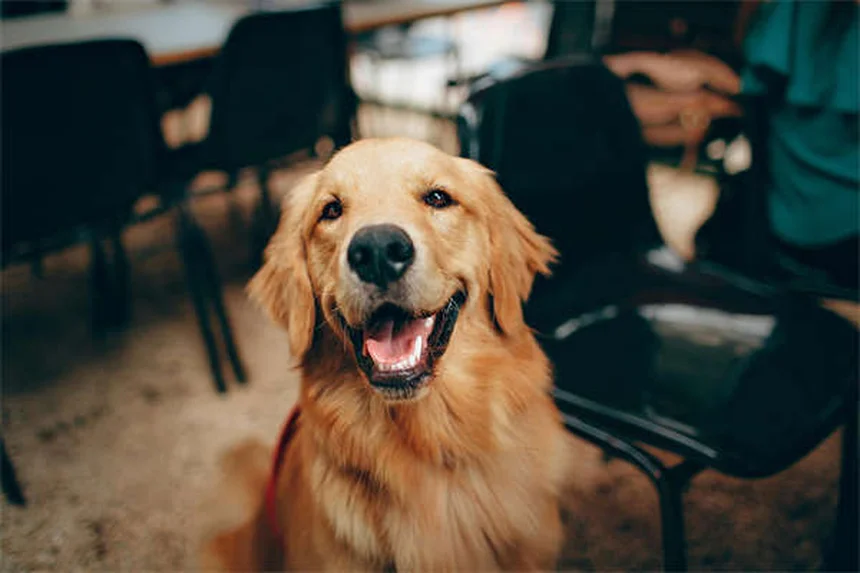
When I first got my golden retriever Max, I set phone alarms like I was preparing for a NASA launch! Consistency is absolutely crucial in those first few weeks. Take your pup out:
- First thing in the morning
- After every nap
- 15 minutes after meals
- After play sessions
- Right before bedtime
Pro tip: Always use the same door and the same spot in your yard. Puppies thrive on routine, and this helps them make the connection faster.
Positive Reinforcement: The Secret Sauce
 Photos provided by pixabay
Why Punishment Doesn't Work
Here's a question that might surprise you: Did you know that rubbing a puppy's nose in their accident actually makes potty training take longer? It's true! That old-school method just teaches your pup to be afraid of you, not where to pee.
Instead, think of yourself as a cheerleader. When Max did his business outside, I'd throw a mini-party - treats, praise, the whole nine yards. Positive reinforcement creates happy memories that your puppy will want to repeat.
Accident Cleanup: Do's and Don'ts
Let's be real - accidents will happen. When they do:
DO: Use an enzymatic cleaner (regular cleaners don't remove the smell completely)
DON'T: Scold your puppy after the fact (they won't understand)
DO: Interrupt gently if you catch them in the act (a quick "Oops! Outside!" works wonders)
Reading Your Puppy's Signals
The Telltale Signs
Puppies have their own special language for "I gotta go!" Some common signals include:
- Suddenly stopping play to sniff around
- Circling like they're preparing for takeoff
- Whining or scratching at the door
- That classic "squat stance"
Funny story - my Max would do this hilarious little tap dance when he needed to go. Pay attention to your pup's unique signals - they're trying to tell you something!
 Photos provided by pixabay
Why Punishment Doesn't Work
Here's a game-changer: train your puppy to ring a bell when they need to go out. Hang a small bell by the door and ring it every time you take them outside. Eventually, they'll start nudging it themselves. It's like having a tiny butler announcing bathroom needs!
When You're Away: Preventing Solo Accidents
Crate Training Basics
Ever wonder why crate training works so well? Dogs naturally avoid soiling their sleeping area. The key is getting the right size crate - big enough to stand and turn around, but not so big they can use one end as a bathroom.
Start with short sessions (30 minutes max) and gradually increase. Always make the crate a happy place with comfy bedding and special treats.
Puppy-Proofing Your Absences
If you must be gone longer than your pup can hold it:
- Consider puppy pads in a designated area
- Ask a neighbor or hire a dog walker for midday breaks
- Use baby gates to limit access to carpeted areas
Remember - never punish accidents that happen while you're gone. Your pup literally won't understand why you're upset.
Troubleshooting Common Problems
 Photos provided by pixabay
Why Punishment Doesn't Work
Here's something important: If your puppy keeps having accidents despite consistent training, it's time to call the vet. Sometimes what looks like a training issue could actually be a urinary tract infection or other medical problem.
Other red flags include:
- Straining to urinate
- Blood in urine
- Drinking excessive water
The Regression Blues
Did your previously reliable pup suddenly start having accidents again? Don't panic! Regression is completely normal during growth spurts, after vaccinations, or during stressful events like moving.
Just go back to basics - more frequent potty breaks, extra praise, and plenty of patience. They'll get back on track!
Celebrating Milestones
Tracking Your Progress
Keep a simple log of successful potty trips and accidents. You'll start to see patterns emerge - maybe your pup always needs to go after breakfast, or can hold it longer in the mornings.
Here's a sample format:
| Time | Location | Result | Notes |
|---|---|---|---|
| 7:00 AM | Backyard | Success! | Gave chicken treat |
| 9:30 AM | Living room | Accident | Missed whining signal |
Graduation Day!
One day, you'll realize it's been weeks since the last accident. That's when you know - you've got yourself a potty-trained pup! Give yourself a pat on the back too. Training a puppy is hard work, but so worth it when you can finally enjoy that clean floor.
Final thought: Every puppy learns at their own pace. Whether it takes two weeks or two months, stay positive. Before you know it, those potty training days will be just a funny memory (and a great story to tell at dog park meetups)!
Beyond the Basics: Advanced Potty Training Strategies
Weather Woes and Solutions
Ever tried convincing a tiny pup to potty in a thunderstorm? Good luck with that! Many puppies develop sudden "stage fright" when faced with rain, snow, or loud noises. Here's how we handled it with Max:
We created a covered potty area with artificial turf on our patio. When bad weather hit, we'd lead him there with extra special treats. High-value rewards like small pieces of hot dog or cheese made the experience positive despite the scary weather. Gradually, he learned that going in unpleasant conditions meant amazing snacks!
Nighttime Success Secrets
Those 3 AM potty breaks are brutal, aren't they? Here's a game-changing tip: adjust your puppy's water schedule. Offer plenty of hydration during the day, but remove the water bowl about 2 hours before bedtime.
We also implemented a "last call" routine - one final potty break right before we went to sleep, then straight into the crate. Within two weeks, Max was sleeping through the night! The key is making sure they empty their bladder completely during that final outing.
Socialization and Public Potty Etiquette
Training for Travel and Visits
You know what's worse than cleaning pee at home? Cleaning it at your friend's brand new white carpet! Teaching your pup to go on different surfaces prepares them for real-world situations.
We practiced on:
- Concrete (parking lots)
- Gravel (camping trips)
- Grass (different textures)
- Artificial turf (pet-friendly stores)
This variety helped Max understand that "potty" isn't just about our backyard - it's about relieving himself appropriately wherever we go.
The Leash Factor
Here's something most people don't consider: your puppy needs to learn to potty while leashed. Why? Because you won't always have access to fenced areas!
We started by using a 6-foot leash in our yard, gradually moving to busier locations. The trick is standing still in a "potty stance" - feet planted, relaxed posture. Puppies pick up on our body language, and this position signals it's business time.
Nutrition's Role in Potty Training
Food Choices Matter
Did you know your puppy's diet directly affects their potty schedule? Cheap fillers in some foods can cause more frequent and unpredictable bowel movements. We switched Max to a higher-quality kibble and saw immediate improvements!
Here's a quick comparison of how different foods affected our training:
| Food Type | Potty Frequency | Stool Consistency |
|---|---|---|
| Budget Kibble | 8-10 times/day | Soft, unpredictable |
| Premium Kibble | 5-6 times/day | Firm, regular |
| Raw Diet | 3-4 times/day | Very firm, predictable |
Treat Selection for Training
Not all treats are created equal when it comes to potty rewards! We discovered that small, smelly, soft treats work best because:
1. They're immediately rewarding (no chewing time)
2. The strong smell captures attention
3. Easy to carry dozens in your pocket
Our top picks were freeze-dried liver bits and small pieces of string cheese. Pro tip: Reserve these special treats exclusively for potty success to maintain their high value!
Multi-Puppy Household Challenges
Managing Multiple Schedules
Training one puppy is hard enough - but two? That's when things get really interesting! We learned this firsthand when we fostered a second puppy while training Max.
The golden rule: take them out separately at first. This prevents distraction and allows you to properly reward each pup for their individual successes. After they've both mastered the basics, you can gradually transition to joint potty breaks.
Preventing Copycat Accidents
Here's a funny phenomenon - when one puppy has an accident, the other often follows suit! We created a "buddy system" where the trained puppy (Max) would demonstrate proper behavior.
We'd say "Go potty" when Max did his business, then immediately reward both dogs when the new puppy followed his lead. This positive peer pressure worked wonders! Just be prepared with double the treats during these training sessions.
Transitioning to Adult Habits
Gradual Freedom Guidelines
That magical day will come when your puppy earns more house freedom. But how do you know when they're ready? We used this 3-step test with Max:
1. Perfect record: 4 weeks with zero accidents
2. Reliable signaling: Consistently using the bell or other cue
3. Duration test: Could hold it for 1 hour beyond age-appropriate time
Even after passing these tests, we introduced freedom gradually - first one extra room, then the whole floor. This careful approach prevented backsliding.
The Teenage Phase
Just when you think you're done, adolescence hits! Many dogs experience temporary regression around 6-9 months. This is completely normal developmental behavior, not a failure in your training.
We handled it by temporarily increasing supervision and returning to more frequent scheduled potty breaks. The phase passed within a few weeks, and Max returned to his reliable habits. The key is staying consistent and not getting discouraged!
E.g. :Seriously though...how to stop puppy from peeing inside ? : r ...
FAQs
Q: How often should I take my puppy out to pee?
A: Here's the golden rule I always tell my clients: take your puppy's age in months and add one - that's how many hours they can typically hold it. So your 2-month-old pup? Every 2-3 hours minimum! When I first got my labrador Bella, I set phone alarms religiously - first thing in the morning, after every nap, 15 minutes after meals, and right before bed. Pro tip: always use the same door and spot in your yard. Puppies thrive on routine, and this consistency helps them make the connection faster between "outside" and "potty time."
Q: Why is my puppy peeing in the house even after going outside?
A: Oh man, this used to drive me crazy with my first puppy! Here's what I learned: sometimes puppies just don't empty their bladder completely during one potty break. They get distracted by smells, sounds, or just puppy excitement. The solution? Stay outside longer (5-10 minutes) and use a consistent phrase like "Go potty." When they do their business, throw a mini-party with treats and praise! Also, watch for signs they might need to go again soon after coming inside - sniffing, circling, or sudden restlessness.
Q: Is crate training really effective for potty training?
A: Absolutely! Here's why it works so well: dogs naturally avoid soiling their sleeping area. When I started crate training my golden retriever Max, I made sure the crate was just big enough for him to stand and turn around - any larger and they might use one end as a bathroom. Start with short sessions (30 minutes max) and always make the crate a happy place with comfy bedding and special treats. Remember - never use the crate as punishment, and always take them straight outside when you let them out.
Q: What's the best way to clean puppy pee accidents?
A: After cleaning up more accidents than I can count, here's my battle-tested method: skip the regular cleaners and go straight for enzymatic cleaners. Why? Because regular cleaners might remove the stain and smell to our noses, but dogs can still smell their previous accidents, which encourages repeat offenses. My favorite trick? Keep a spray bottle of enzyme cleaner handy at all times. When accidents happen (and they will!), blot up what you can, then soak the area thoroughly with the cleaner. Let it sit for 10-15 minutes before blotting dry.
Q: When should I be concerned about my puppy's accidents?
A: Here's when I recommend calling your vet: if your puppy is straining to urinate, has blood in their urine, is drinking excessive water, or if accidents continue despite consistent training. Sometimes what looks like a training issue could actually be a urinary tract infection or other medical problem. I learned this the hard way with one client's pup who kept having accidents - turns out she had a mild bladder infection that was making it hard for her to hold it. After treatment, her potty training progressed much faster!