
6 Clear Signs Your Dog Trusts You (And How to Build More Trust)
Dec 01,2025
Does your dog really trust you? The answer is: Yes, if they show these specific behaviors! After a decade working with thousands of dogs, I've identified the 6 undeniable signs that prove your pup truly trusts you - from relaxed body language to seeking your comfort during stressful moments. You'll be surprised how many subtle cues we often miss!Here's the deal: Trust isn't automatic just because you're the one filling the food bowl. It's earned through consistent positive experiences and mutual respect. In this guide, I'll walk you through exactly what canine trust looks like in real life (with examples from my own dog training practice), plus give you actionable tips to strengthen that bond even further.Whether you're dealing with a shy rescue or a confident companion, understanding these trust signals will transform your relationship. Let's dive in!
E.g. :12 Signs Your Cat Loves You (And How to Earn Their Trust)
- 1、How to Tell If Your Dog Really Trusts You
- 2、6 Undeniable Signs Your Dog Trusts You Completely
- 3、Building Unshakable Trust With Your Pup
- 4、Trust in Action: Real Life Examples
- 5、Your Trust-Building Checklist
- 6、The Trust Journey Continues
- 7、Beyond the Basics: Deepening Your Dog's Trust
- 8、Advanced Trust-Building Techniques
- 9、When Trust Gets Tested
- 10、Trust Across the Lifespan
- 11、The Ripple Effects of Trust
- 12、Your Trust Legacy
- 13、FAQs
How to Tell If Your Dog Really Trusts You
Hey there fellow dog lover! I know you think your pup adores you - those sloppy kisses and tail wags don't lie. But trust? That's a whole different ball game. Let's dig into what genuine canine trust really looks like.
The Trust Equation: More Than Just Treats
Ever wonder why some dogs follow their humans like shadows while others keep their distance? It's all about that trust factor. Dogs aren't just loyal by default - they earn that trust through consistent, positive experiences.
Think about it this way: would you trust someone who randomly yanked your collar or forced you into uncomfortable situations? Probably not. Our furry friends feel the same way. The good news? There are clear signs when you've truly earned their trust.
6 Undeniable Signs Your Dog Trusts You Completely
1. Spa Day? No Problem!
Let's be real - most dogs hate nail trims. But if your pup calmly lets you handle their paws, clean their ears, or brush their teeth? That's the canine equivalent of saying "I trust you with my life."
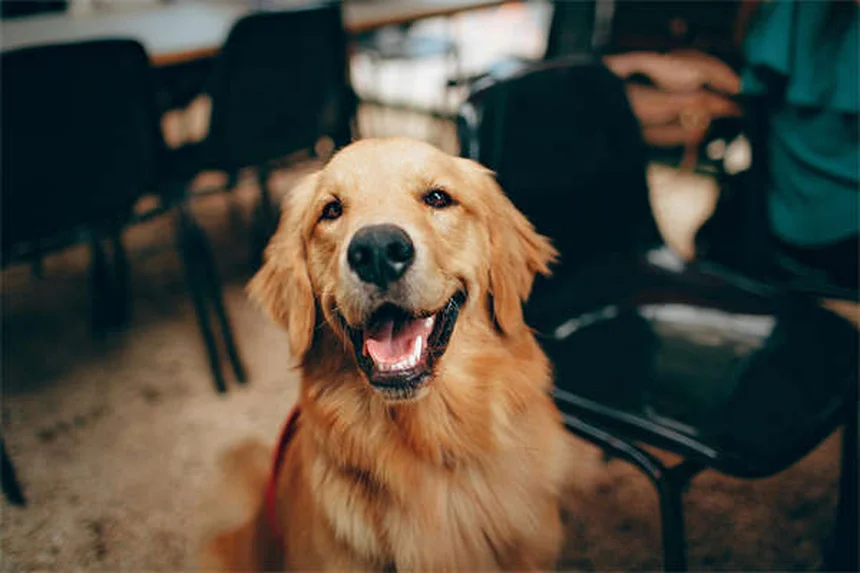
Here's a funny story: My neighbor's Golden Retriever, Max, actually falls asleep during teeth brushing! Meanwhile, my cousin's Chihuahua acts like bath time is waterboarding. The difference? Years of positive reinforcement versus forced handling. Which experience would make you more trusting?
 Photos provided by pixabay
2. You're Their Favorite GPS
At the dog park, do you notice something interesting? Some dogs constantly check back with their owners, while others completely zone out. That frequent eye contact? It's your pup saying "You're my home base in this crazy world."
I've compiled some fascinating data about this behavior:
| Behavior | High Trust | Low Trust |
|---|---|---|
| Eye contact frequency | Every 30-60 seconds | Rare or never |
| Response to name | Immediate attention | Slow or no response |
| Recall success | 90-100% | Below 50% |
3. Their Body Speaks Volumes
Ever seen a dog completely melt into your lap? That's the ultimate trust signal. Here's what to look for:
- Relaxed facial muscles (no tension around eyes/mouth)
- Soft, squinty eyes (doggy smile!)
- Loose, wiggly body (especially that happy butt wiggle)
- Rolling over for belly rubs (showing vulnerable areas)
Contrast this with a nervous dog: stiff posture, whale eye (showing whites of eyes), tucked tail. Big difference, right?
Building Unshakable Trust With Your Pup
Trust-Boosting Activities That Actually Work
Want to take your bond to the next level? Try these proven trust-builders:
1. Choice-based training: Let your dog pick which trick to practice or which path to walk
2. Consistent routines: Dogs thrive on predictability
3. Positive associations: Pair nail trims with chicken, vet visits with special toys
4. Respect their "no": If they don't want pets from a stranger, be their advocate
Here's a golden rule: Never force interactions. Would you trust someone who ignored your "stop" signals? Exactly.
 Photos provided by pixabay
2. You're Their Favorite GPS
We all make mistakes, but these behaviors can really damage that precious trust:
- Yanking the leash unexpectedly
- Punishing after the fact (dogs live in the moment)
- Forcing them into scary situations
- Inconsistent rules (allowing jumping sometimes but not others)
Remember that time you scolded your dog for an accident they had hours ago? Yeah, they had no clue why you were upset. That confusion erodes trust.
Trust in Action: Real Life Examples
The Power of Patience: A Case Study
My friend adopted a rescue German Shepherd who wouldn't let anyone touch his paws. After 6 months of daily positive reinforcement (touching paws → immediate chicken), guess what? Now he offers his paws for nail trims!
This didn't happen overnight. It took:
- Micro-steps (starting with just glancing at paws)
- Massive rewards (high-value treats only for this training)
- Zero pressure (ending sessions before the dog got stressed)
When Trust Saves the Day
Last winter, a loose dog charged at us during our walk. My normally friendly Lab immediately looked to me for guidance instead of reacting. Because of our strong trust foundation, she waited for my cue rather than panicking.
This is why trust matters - it's not just about warm fuzzies. It can literally keep your dog safe in emergencies.
Your Trust-Building Checklist
 Photos provided by pixabay
2. You're Their Favorite GPS
Want to implement this today? Here's your action plan:
☑ Spend 5 minutes doing nothing but petting your dog (no phone!)
☑ Let your dog choose which direction to walk for at least one block
☑ Practice one training command using only positive reinforcement
☑ Notice and respect when your dog needs space
☑ End every interaction on a positive note
See the pattern? It's all about quality over quantity. Those brief but meaningful moments add up to serious trust over time.
Troubleshooting Common Issues
"But my dog still runs away when I try to trim nails!" No worries - let's problem-solve:
First question: Have you made nail trims genuinely enjoyable? Most people haven't. Try this:
1. Show the clippers → treat
2. Touch paw with clippers → treat
3. Clip one nail → jackpot reward!
Work at your dog's pace. Some need weeks at each step. That's okay! Forced progress actually moves you backward.
The Trust Journey Continues
Building trust isn't a one-time achievement - it's an ongoing conversation between you and your dog. Some days will feel like breakthroughs, others might be setbacks. That's perfectly normal.
The most important thing? Keep showing up as the consistent, compassionate leader your dog deserves. They'll repay you with a level of loyalty and trust that makes all the effort worthwhile.
Now go give your pup some ear scratches from me! And remember - every positive interaction is another brick in your foundation of mutual trust.
Beyond the Basics: Deepening Your Dog's Trust
The Science Behind Canine Attachment
Did you know dogs form attachments similar to human children? Research shows they experience secure base effect - that warm fuzzy feeling when they know you've got their back. It's why puppies follow us everywhere and adult dogs check in during walks.
Here's something fascinating: MRI scans reveal dogs' brains light up when smelling their owner's scent, just like humans reacting to loved ones' photos. That's some serious biological bonding happening right under our noses!
Trust vs. Dependence: Finding the Balance
Ever met those "velcro dogs" who panic when left alone? That's not trust - that's anxiety. True trust means your dog feels safe with you and without you.
How can you tell the difference? A confident, trusting dog will:- Explore new environments while checking in occasionally- Settle calmly when you're preparing to leave- Greet you excitedly but not desperately when you return
Meanwhile, dependent dogs show:- Constant shadowing even in familiar places- Destructive behaviors when left alone- Inability to relax unless touching you
Advanced Trust-Building Techniques
The Power of Play
Forget fancy equipment - a simple game of tug can skyrocket trust levels. Why? Because play teaches your dog you'll follow rules (like "drop it") while having fun together.
Pro tip: Let your dog "win" sometimes! Studies show dogs who occasionally get the toy play more enthusiastically and maintain better focus. It's like letting a kid beat you at checkers - builds confidence without losing respect.
Trust Through Communication
Here's a game-changer: learn to "listen" to your dog's body language. When you respond appropriately to their signals, you're basically saying "I've got you" in dog language.
Try this exercise tomorrow:1. Notice when your dog looks at something (a squirrel, strange object)2. Verbally acknowledge it ("I see it too!")3. Watch how their posture changes - usually more relaxed
This simple act validates their concerns and builds tremendous trust. Pretty cool, right?
When Trust Gets Tested
Handling Fearful Reactions
Thunderstorms. Fireworks. That weird lawn decoration down the street. Every dog has fears, but how you respond makes all the difference.
Common mistake: Coddling a scared dog ("It's okay, baby!"). This actually reinforces the fear. Better approach:- Stay calm and confident- Offer distraction (treat puzzle, favorite toy)- Create positive associations (play happy sounds at low volume)
Remember: Your dog looks to you to interpret situations. If you stay cool, they'll learn to trust your judgment.
Rebuilding Broken Trust
Accidents happen - maybe you lost your temper or forced a scary situation. Can trust be repaired? Absolutely!
The 3 R's of trust repair:1. Responsibility: Acknowledge your mistake (yes, out loud!)2. Reset: Return to positive interactions immediately3. Reinforcement: Extra patience and rewards for brave behavior
Dogs live in the moment more than we do. While they remember experiences, they're incredibly forgiving when shown consistent love.
Trust Across the Lifespan
Puppy Trust Foundations
Those early weeks are golden for building trust. Focus on:- Positive exposure to various surfaces, sounds, and people- Gentle handling exercises (paws, ears, mouth)- Predictable routines for meals and potty breaks
Fun fact: Puppies who experience gentle handling before 16 weeks tend to remain more comfortable with vet exams and grooming throughout life. That's a long-term trust payoff!
Senior Dog Considerations
As dogs age, their trust needs change. They might:- Startle more easily due to hearing/vision loss- Need more time to process requests- Become sensitive about certain types of touch
Adapt by:- Approaching from the front and speaking clearly- Allowing extra response time during training- Being extra gentle with arthritic areas
Think of it like adjusting how you communicate with grandparents - same love, different approach.
The Ripple Effects of Trust
Trust Improves Training Results
Ever wonder why some dogs learn faster? It's not about intelligence - it's about trust. A dog who believes you'll make training worthwhile gives full effort.
Compare these training scenarios:
| Approach | Trust Level | Learning Speed |
|---|---|---|
| Force-based | Low | Slow, with resistance |
| Reward-based | Medium | Steady progress |
| Choice-based | High | Rapid, enthusiastic |
Trust Enhances Safety
Here's something most owners don't consider: A trusting dog is a safer dog. When they believe you'll protect them, they're less likely to:- Bolt out open doors- Snatch dangerous items- React aggressively to perceived threats
That recall command you've been practicing? It only works if your dog wants to come to you. And what makes them want to? You guessed it - trust.
Your Trust Legacy
The beautiful thing about dog trust? It creates a positive cycle. Each trusting interaction makes the next one easier, building a relationship that withstands challenges and grows stronger over time.
So the next time your dog looks to you for guidance or curls up against you in complete relaxation, take a moment to appreciate that incredible bond. You've earned it - and the best part? There's always room to go deeper.
E.g. :How do I know if my dog trusts me/has a connection to me : r/dogs
FAQs
Q: How long does it take for a dog to fully trust you?
A: The timeline varies dramatically depending on the dog's history and personality. From my experience, most dogs show basic trust within 2-4 weeks of consistent positive interactions, but deep trust can take months or even years to develop - especially with rescue dogs who may have trauma. The key is patience and letting the dog set the pace. I've seen cases where a previously abused dog took 6 months just to comfortably accept treats from their new owner, but eventually became that person's shadow. Remember: trust isn't a race, and every small step forward is worth celebrating!
Q: Can you regain a dog's trust after breaking it?
A: Absolutely! Dogs are incredibly forgiving creatures when given the right approach. The process involves three crucial steps: First, identify what damaged the trust (was it yelling? forced handling? inconsistent rules?). Second, change that behavior permanently while creating new positive associations. Third, give it time - just like humans, dogs need to see consistent proof that things have changed. I recommend starting with low-pressure bonding activities like hand-feeding meals or gentle massage sessions. The good news? With dedication, most broken trust can be repaired stronger than before.
Q: Do certain breeds trust more easily than others?
A: While genetics play a role in a dog's general temperament, I've found that individual personality and past experiences matter far more than breed when it comes to trust. That said, some breeds known for being particularly people-oriented (like Golden Retrievers and Labs) may form attachments slightly faster, while independent breeds (like Shiba Inus) often take more time to fully trust. But here's what's fascinating: in my training practice, I've met aloof Goldens and velcro Shibas! The most important factor is always how we nurture that trust through positive, respectful interactions tailored to each dog's unique needs.
Q: Can you tell if a dog doesn't trust someone?
A: Definitely! Dogs give clear physical signals when they're uncomfortable or distrustful of a person. Watch for: avoiding eye contact, turning head/body away, lip licking, yawning when not tired, tense muscles, low/tucked tail, or moving behind their trusted person. Some dogs may even show "whale eye" (showing the whites of their eyes) or freeze completely. These are all signs the dog feels unsafe. As responsible owners, we need to respect these signals and never force interactions. A great rule I teach clients: if the dog isn't enthusiastically approaching someone, they probably shouldn't be petting them!
Q: How does trust affect dog training?
A: Trust transforms training from a chore to a joyful collaboration! When dogs trust their handler, they're more focused, willing to try new things, and resilient when mistakes happen. In contrast, dogs who don't trust their trainer may shut down, become defensive, or only obey when treats are visible. The most effective training happens when dogs see us as reliable partners who make learning rewarding and stress-free. That's why I always spend the first few sessions with new clients just building trust through play and positive reinforcement before diving into commands. As the saying goes: "Train the dog in front of you," and that starts with earning their trust.